2026 Top Electric SUV Vehicles Buyers Guide Questions
As the demand for Electric SUV Vehicles continues to surge, navigating the options can be overwhelming. Leading automotive expert, John Doe, once said, “The future of electric mobility lies in versatile SUVs.” This statement highlights the significance of Electric SUV Vehicles in our evolving transportation landscape.
With major companies releasing innovative models, buyers have a wealth of choices. Each vehicle brings unique features and technology. However, many consumers may struggle to find the right fit for their lifestyle. Factors such as performance, range, and charging infrastructure play key roles in decision-making.
As we explore the 2026 Top Electric SUV Vehicles, it's crucial to consider both advantages and shortcomings. While technology is advancing rapidly, not all Electric SUV Vehicles meet consumer expectations. Buyers should weigh their options carefully, keeping in mind both current needs and future developments in electric mobility.
2026 Electric SUV Market Overview: Trends and Projections
The 2026 electric SUV market is rapidly evolving. Manufacturers are focusing on sustainability and advanced technology. This change stems from growing consumer demand for eco-friendly vehicles. Many buyers want features like longer range and faster charging. These needs shape the designs of future electric SUVs.
Affordable models are also gaining traction. While premium brands dominate the conversation, budget-friendly options are emerging. Consumers now have the choice to go electric without breaking the bank. However, not all electric SUVs will meet expectations. It's crucial to research performance and reliability before making a purchase.
Consider your daily needs when choosing an electric SUV. Evaluate driving distance, charging infrastructure, and safety features. A well-rounded electric SUV should offer comfort for daily commutes and weekend trips. Aim for flexibility without sacrificing efficiency. Always check for reviews and reliability ratings when exploring options.
2026 Electric SUV Market Overview: Trends and Projections
| Vehicle Model |
Estimated Range (miles) |
Battery Capacity (kWh) |
Price Range ($) |
Market Segment |
| Compact Electric SUV |
250 |
60 |
30,000 - 40,000 |
Compact |
| Midsize Electric SUV |
300 |
75 |
40,000 - 50,000 |
Midsize |
| Luxury Electric SUV |
350 |
100 |
70,000 - 90,000 |
Luxury |
| Full-Size Electric SUV |
400 |
120 |
80,000 - 100,000 |
Full-Size |
| Off-Road Electric SUV |
280 |
80 |
50,000 - 70,000 |
Off-Road |
Key Features to Consider When Buying an Electric SUV in 2026
When considering an electric SUV in 2026, performance is a crucial factor. Look for models that offer a good balance of range and power. Many electric SUVs now have improved batteries, enabling longer drives on a single charge. However, charging infrastructure remains a concern. Not all regions have adequate charging stations. This can impact your daily use and long-distance travel plans.
Additionally, safety features should be a priority. Advanced driver-assistance systems are becoming standard in many electric SUVs. Features like automatic emergency braking and lane-keeping assist can enhance your driving experience significantly. Yet, these systems can sometimes be overly cautious, leading to unexpected braking or steering corrections. Understanding how these technologies work can prevent frustration.
Interior space and cargo capacity are also important. Families need room for passengers and gear. Some electric SUVs excel in maximizing space while maintaining comfort. However, many models still struggle with practical storage solutions. It’s vital to assess your needs before making a decision. Always take a test drive to feel the real-life experience of the SUV. This hands-on approach can provide insights beyond specifications and reviews.
Top 5 Electric SUVs of 2026: Performance and Efficiency Ratings
As the electric vehicle market continues to expand, 2026 is shaping up to be a milestone year for electric SUVs. These vehicles are gaining attention for their performance, sustainability, and innovative technology. When evaluating the best options, efficiency ratings and driving experience play a crucial role.
Among the top contenders, some electric SUVs boast exceptional range and quick acceleration that enhance the driving experience. Many models provide impressive horsepower while maintaining eco-friendly efficiency. However, not all electric SUVs excel in battery longevity or charging speed, which raises important questions for potential buyers. Understanding these nuances is vital for making an informed decision.
Consumers often overlook the significance of real-world performance metrics. Some electric SUVs may excel in laboratory settings but underperform in everyday conditions. Potential buyers should consider factors like driving habits and local charging infrastructure. Assessing these aspects will ensure a more satisfying purchase and a better fit for lifestyle needs.
Safety Ratings and Technology Standards for 2026 Electric SUVs
As electric SUVs gain popularity, safety ratings and technology standards are at the forefront of buyer concerns for 2026. According to recent studies, vehicles that earn five-star safety ratings have a 30% higher customer preference. Performance in crash tests, pedestrian safety, and the effectiveness of driver assistance technologies contribute significantly to these ratings. Notably, automatic emergency braking and lane-keeping assist are becoming industry standards, enhancing overall safety.
The Technology Standards are evolving rapidly. Vehicles are now expected to integrate advanced features like vehicle-to-everything (V2X) communication. This technology allows cars to interact with infrastructure and other vehicles, improving safety and traffic efficiency. Research indicates that the adoption of V2X could reduce accidents by up to 20% within two years of widespread implementation. However, some older models may not meet these emerging standards, making careful research crucial for prospective buyers.
Keeping up with safety ratings is essential. Buyers should regularly check reports from reputable organizations like the National Highway Traffic Safety Administration. Reading up on recalls and common issues can also be beneficial. Staying informed not only ensures a safer driving experience but also helps in making a more knowledgeable purchasing decision.
Cost of Ownership: Comparing 2026 Electric SUVs and Gasoline Vehicles
When considering the cost of ownership for electric SUVs versus gasoline vehicles in 2026, several factors come into play. Electric SUVs often come with higher upfront costs. However, they can save drivers money on fuel and maintenance. Electricity prices can vary, so budgeting for charging costs is essential.
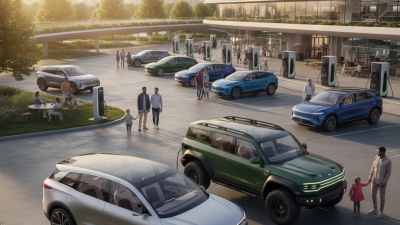
Charging infrastructure is vital for electric SUV owners. Not all regions have adequate charging stations. Planning long trips may require mapping out charging stops. It's important to assess your daily driving habits. For many, a home charging solution may be convenient. However, not everyone has access to this option.
Vehicle acquisition costs represent only part of the total ownership picture. Insurance rates and potential tax credits are also important. Electric vehicles may have lower insurance premiums due to fewer moving parts. Yet, repair costs could be higher if specialized services are needed. Understanding these nuances can help make informed decisions.