Leave Your Message

What Is an Auto Car and How Does It Work?

An Auto Car usually refers to a vehicle with an automatic transmission. It changes gears without requiring the driver to press a clutch pedal. The phrase is not perfectly precise. Some people also use it to describe an autonomous or self-driving vehicle. This article focuses mainly on automatic-transmission cars while briefly clarifying that difference.

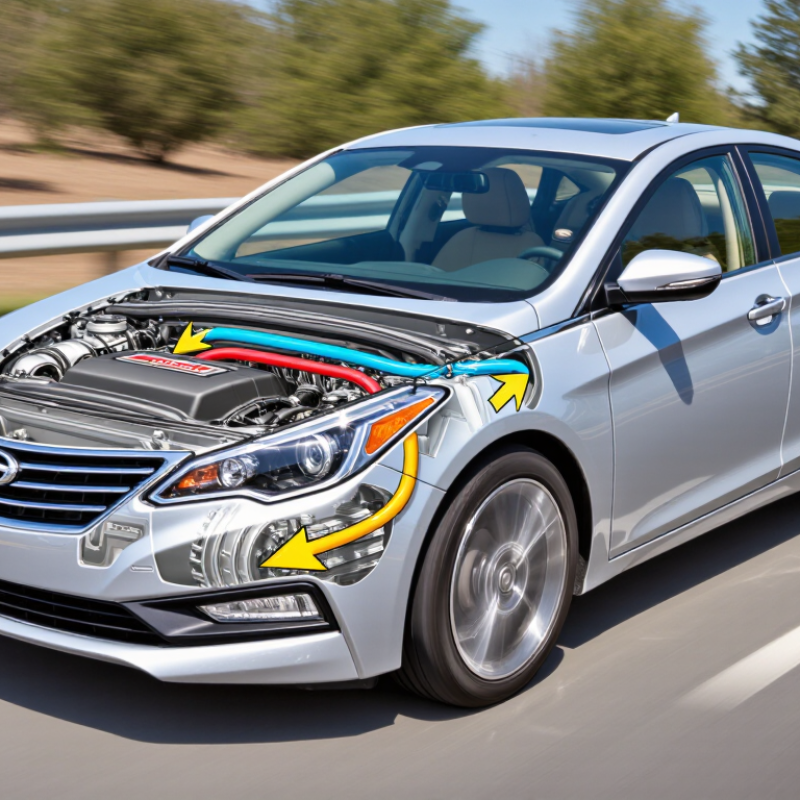
Inside an automatic car, the engine sends power through a torque converter. This device uses fluid to transfer motion and helps the vehicle move smoothly from a stop. A transmission control unit reads speed, engine load, throttle position, and other sensor signals. It then selects a suitable gear through hydraulic pressure or electronic controls. When you press the accelerator, the system may lower the gear for stronger response. When you release it, the car can shift upward for quieter, more efficient driving.

A simple test shows the process. Place the selector in Drive, release the brake carefully, and the car may begin to creep forward. That movement comes from the torque converter. It feels small, but it matters in parking spaces and traffic. Modern systems may include six, eight, or more forward gears. Hybrid vehicles can work differently because electric motors change how power reaches the wheels.

Drivers should still understand the limits. Automatic does not mean self-driving. It also does not guarantee perfect fuel economy or maintenance-free operation. Fluid condition, warning lights, unusual shifting, and delayed engagement deserve professional inspection. Manufacturer manuals and qualified technicians remain the most dependable sources for vehicle-specific advice. The technology is convenient, though not mysterious. Understanding its basic steps can make driving smoother and repairs less confusing.
What Is an Auto Car and How Does It Work?

What an Automatic Car Is and How It Differs from a Manual Car

An automatic car changes gears without a clutch pedal or a driver-operated gear lever. Its transmission uses sensors, hydraulic pressure, and computer controls to select suitable gear ratios. A torque converter replaces the manual clutch. It allows the engine to keep running while the car stops at a traffic light. Inside, planetary gearsets combine different ratios for starting, cruising, and climbing.

A manual car requires the driver to press a clutch pedal and move the gear lever. The driver feels engine speed through the pedal and chooses each shift. An automatic car makes those decisions continuously, often within milliseconds.

It can feel smoother in heavy traffic, where repeated clutch work becomes tiring. The trade-off is complexity. Repairs may cost more, and delayed shifts can signal fluid, sensor, or control problems.

The U.S. Environmental Protection Agency’s 2024 Automotive Trends Report recorded average new-vehicle fuel economy of 27.1 miles per gallon for model year 2022. Modern automatic transmissions support this progress through additional ratios and earlier upshifts, though transmission design is only one factor. Driving style matters too. A calm throttle can reduce unnecessary shifting. That detail is easy to overlook. Automatic does not mean maintenance-free. Fluid condition, cooling, and correct servicing still affect performance, and I would not treat every “lifetime fluid” claim as universally reliable.

The Main Parts and Systems Inside an Automatic Car

An automatic car changes gear without a clutch pedal or a driver-operated gear lever. Its main parts work together continuously. The torque converter transfers engine power through transmission fluid. It also cushions movement when the car stops. Inside the transmission, planetary gearsets create different ratios. A hydraulic pump and valve body direct fluid pressure. These parts engage clutches and bands with careful timing. The process feels smooth. It is not simple.

Sensors monitor vehicle speed, engine load, throttle position, and transmission temperature. A transmission control module interprets those signals and selects a suitable gear. The engine control unit also adjusts fuel delivery and ignition timing. A differential then sends torque to the driven wheels while allowing different wheel speeds during turns. The boundary between these systems is less tidy than textbooks suggest. A small sensor fault can change the entire driving feel.

Safety systems add another layer. Electronic stability control can brake individual wheels and reduce engine power during a skid. The National Highway Traffic Safety Administration reports a 49% reduction in fatal single-vehicle crash risk for passenger cars equipped with this technology. The 2024 U.S. Environmental Protection Agency Automotive Trends Report lists 27.1 miles per gallon as the preliminary average for 2023 model-year vehicles, showing why efficient gear selection still matters. Yet fuel economy depends on tires, temperature, traffic, and maintenance. The machine is predictable, but never perfectly so.

What Is an Auto Car and How Does It Work?

An automatic car selects gears without requiring the driver to operate a clutch pedal. The transmission uses planetary gear sets, hydraulic pressure, clutch packs, a torque converter, sensors, and an electronic control unit to transfer engine power smoothly.

Typical gear ratios in an 8-speed automatic transmission: Lower gears provide greater torque for starting and climbing, while higher gears reduce engine speed during steady cruising. The exact ratios vary by vehicle and transmission design.

How an Automatic Transmission Changes Gears

What Is an Auto Car and How Does It Work?

An automatic car changes gears without requiring the driver to press a clutch pedal. Its automatic transmission selects a suitable gear as speed, engine load, and road conditions change. The process begins with sensors measuring vehicle speed, throttle position, and engine activity. A control unit studies these signals and decides when a shift should happen.

Inside the transmission, a torque converter transfers engine power through fluid. This allows the car to stop without stalling the engine. Planetary gear sets then provide different gear ratios for moving off, accelerating, cruising, and reversing. Hydraulic pressure or electric controls engage small clutches and bands. These parts lock selected gears together, changing the power sent to the wheels.

A low gear creates stronger pulling force, which helps during a hill start. Higher gears reduce engine speed during steady cruising. The system may delay a shift when the driver presses the accelerator sharply. It may also downshift on a slope to provide engine braking. In daily driving, gear changes should feel calm and nearly unnoticed.

Not perfectly smooth, though.

A slight pause or jolt can appear when the transmission is cold, heavily loaded, or poorly maintained. That does not always indicate serious damage, but repeated harsh shifts deserve professional inspection. Fluid condition, correct servicing, and accurate sensor signals all affect shift quality. Drivers sometimes blame the transmission too quickly, while neglecting tire grip or engine performance.

How the Driver Controls an Automatic Car

An automatic car changes gears for the driver, but it does not drive itself. The driver controls speed, direction, and movement through the pedals, steering wheel, and gear selector. Before moving, press the brake pedal firmly and check the mirrors and surrounding space. Select P for parking, R for reversing, or D for forward travel. Keep your foot on the brake while changing modes.

After selecting D, gently release the brake. Many automatic cars begin to move slowly, especially on level ground. This creeping motion helps in traffic and parking, but it can surprise a new driver. Use light pressure on the accelerator to increase speed. Press the brake smoothly to slow down, and avoid resting your foot on it while driving. Small inputs usually create better control.

The driver must still watch traffic, signs, pedestrians, and changing road conditions. Automatic transmission does not remove responsibility. Stop completely before shifting between forward and reverse. On a slope, use the parking brake and control the car with the brake pedal, rather than relying only on the selector. Some vehicles offer lower gears for steep roads, but the owner’s manual should guide that choice. A common mistake is focusing only on the gear position and forgetting the blind spot. That deserves attention. Even careful drivers can react too quickly, so leaving extra space gives more time to correct an error.

What Is an Auto Car and How Does It Work? - How the Driver Controls an Automatic Car

Key controls, operating modes, and mechanical responses in a conventional automatic car
Driver Control or System What It Does Vehicle Response Typical Use Important Safety Point
Brake pedal Activates the braking system and signals the transmission control system that the vehicle should remain stationary or slow down. The car reduces speed or stops; selecting a driving gear is usually permitted only while the brake is pressed. Starting the car, changing gear positions, stopping, and controlling speed in traffic. Press the brake firmly before selecting Reverse or Drive.
Accelerator pedal Requests more engine power by increasing engine torque and, in modern vehicles, sending an electronic throttle command. The vehicle accelerates, and the transmission may select a higher or lower gear according to speed and load. Moving away from a stop, merging, overtaking, or maintaining speed. Apply pressure progressively, especially when maneuvering at low speed.
Park (P) Engages a parking pawl or equivalent parking mechanism inside the transmission. The transmission is mechanically restrained from normal rotation. Parking the vehicle after it has come to a complete stop. Apply the parking brake as well, particularly on slopes.
Reverse (R) Directs transmission power so the drive wheels rotate in the reverse direction. The vehicle moves backward when the accelerator is applied or when idle creep occurs. Backing into a parking space or leaving a driveway. Select Reverse only when the vehicle is fully stopped and check all surroundings.
Neutral (N) Disconnects the engine’s driving force from the wheels while allowing the wheels to rotate freely. The car does not receive normal engine-driven propulsion. Certain service or towing situations, when permitted by the vehicle instructions. Do not use Neutral as a substitute for the parking brake.
Drive (D) Allows the transmission to select forward gears automatically. The car moves forward and changes gear based on speed, engine load, throttle position, and control-system inputs. Normal forward driving on roads and highways. Keep both feet clear of the pedals except when braking; avoid using the left foot to operate the brake.
Low or manual range Restricts the highest available gear or allows the driver to request gear changes without a clutch pedal. The transmission holds lower gears, increasing engine braking and available wheel torque. Steep descents, steep climbs, heavy loads, or controlled low-speed driving. Use only within the speed range recommended in the vehicle handbook.
Torque converter Transfers engine power to the transmission through automatic transmission fluid and allows the engine to keep running while the car is stopped. Provides smooth launch and contributes to low-speed creep when Drive is selected. Starting from rest and absorbing differences between engine and transmission speed. Creep is not a replacement for active brake control.
Automatic transmission control unit Processes sensor information such as vehicle speed, engine speed, throttle position, and transmission temperature. Controls hydraulic valves, clutch packs, and shift timing to select suitable gears. Managing gear changes without direct driver clutch operation. Warning lights or unusual shifting should be checked by a qualified technician.
Parking brake Applies a separate mechanical or electronically controlled brake to help hold the parked vehicle. Reduces the risk of the vehicle rolling when parked. Every time the vehicle is parked, especially on an incline. Engage it before leaving the vehicle and confirm that it is released before driving.

Common Types, Benefits, and Limitations of Automatic Cars

What Is an Auto Car and How Does It Work?

An automatic car changes gears without a clutch pedal or manual gear selection. A torque converter transfers engine power smoothly, while hydraulic or electronic controls select suitable ratios. The U.S. Department of Energy reports that some modern automatic transmissions offer up to ten forward gears. More ratios can keep the engine nearer its efficient operating range.

Common types include traditional torque-converter automatics, continuously variable transmissions, dual-clutch systems, and automated manual transmissions. CVTs provide seamless acceleration, while dual-clutch systems shift quickly through two clutch mechanisms. Each design feels different in traffic. Some drivers prefer the gentle launch of a conventional automatic, especially on steep roads or during repeated stop-and-go driving.

Convenience is the clearest benefit. The driver can focus on traffic, steering, and pedestrians instead of clutch timing. Automatic cars are also easier for many new drivers to operate. However, repairs can be expensive, and complex control systems may require specialist diagnosis. Poor maintenance, towing, or frequent overheating can shorten transmission life. Fuel savings are not guaranteed, either. The U.S. Environmental Protection Agency’s 2024 Automotive Trends Report recorded an average new-vehicle fuel economy of 27.1 miles per gallon for model year 2023, but that figure covers many powertrain types. A smooth automatic may still consume more fuel than a well-driven manual car. The trade-off is easy to overlook. Convenience sometimes hides mechanical complexity.