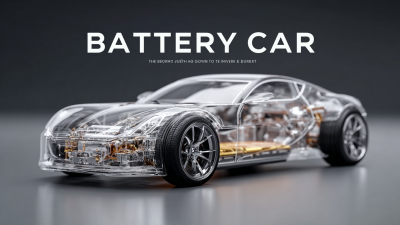
The global automotive market is moving toward cleaner, smarter, and more connected transportation. This shift has made Automobile Electric components essential for vehicle manufacturers, distributors, and fleet operators. Buyers now examine more than price. They compare voltage stability, thermal performance, production capacity, testing standards, warranty support, and delivery reliability.
China has become a major sourcing base for these products. Its suppliers offer batteries, charging modules, electric motors, wiring harnesses, controllers, sensors, and power-management systems. Some manufacturers operate highly automated factories. Others remain competitive through flexible production and practical engineering. That difference matters. A polished website cannot replace factory audits, sample testing, and transparent technical documents.
Dr. Menahem Anderman, a respected battery technology expert, has emphasized, “Battery quality determines electric-vehicle performance.” His view reflects a basic purchasing reality. A weak cell can reduce driving range, increase heat, and create expensive service problems. Reliable suppliers therefore need more than attractive specifications. They need traceable materials, repeatable quality control, and responsive after-sales teams.
This guide examines China’s leading Automobile Electric suppliers for global buyers. It focuses on real purchasing concerns, including product capability, customization, certifications, communication, and export experience. The market is not perfect. Supplier information can change quickly, and some claims require independent verification. Buyers should still request test reports, production samples, and reference projects before signing contracts. Careful comparison may take longer. It can prevent costly mistakes later.
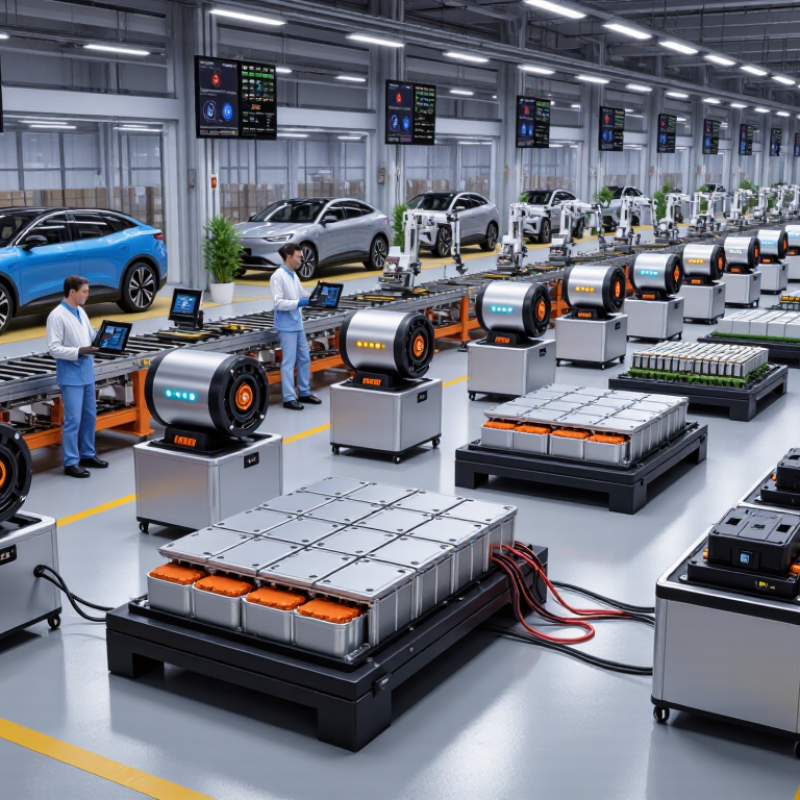
China’s automobile electric supplier industry covers wiring harnesses, sensors, control units, charging parts, and power distribution systems. Many factories combine engineering teams with large-scale production lines. This helps global buyers manage cost, volume, and customization.
A reliable evaluation starts with technical documents and sample testing. Check material specifications, connector durability, insulation performance, and temperature resistance. Ask how suppliers control incoming materials and production changes. Traceability records should connect each batch to inspection results. Factory audits can reveal details that brochures often hide, such as storage conditions, calibration routines, and worker training. Compliance documents must match the destination market and the actual product model. A certificate alone is not enough.
Tips: Request samples from different production batches. Test vibration, moisture, heat, and repeated connection cycles. Clarify tooling ownership, lead times, warranty terms, and change-notification procedures. Keep written approval records.
Price is important, but unstable quality creates larger costs later. Some suppliers communicate well before payment, then respond slowly after technical problems appear. This risk deserves attention. A staged order can provide useful evidence before full-volume purchasing. Buyers should also compare engineering response times, not only quotations. No supplier is perfect. Even experienced teams may overlook packaging damage or software compatibility. Independent testing remains wise when safety-related components are involved. Clear specifications protect both sides and support a more dependable international supply relationship.
China Best Automobile Electric Suppliers for Global Buyers
Chinese electric vehicle suppliers offer more than passenger cars. Their main categories include compact sedans, family SUVs, electric vans, city buses, and medium-duty trucks. Battery packs, charging stations, drive motors, and thermal-management systems are also widely available.
The International Energy Agency reported over 14 million electric car sales worldwide in 2023, with China representing about 60% of global sales. This scale supports broad production experience, but specifications still vary greatly.
Battery technology deserves close inspection.
BloombergNEF reported an average lithium-ion battery pack price of 115 US dollars per kWh in 2024, down 20% from the previous year. Suppliers may offer lithium iron phosphate or nickel-based systems, depending on range, safety, and climate needs.
For buyers, product categories should match real routes. A delivery van needs different charging speed and cargo design than a private SUV. The lowest quotation can hide weaker warranty terms. This remains an imperfect comparison.
Tips:
Request test reports, battery warranty details, charging standards, and spare-parts policies. Ask for verified range results under your local temperature. Check factory audits and after-sales response times. Also compare total operating cost, not only purchase price.
When evaluating China’s automobile electric suppliers, start with verifiable production evidence. A polished showroom proves little. Ask for process records, inspection standards, and defect data from recent batches. Review incoming inspection, traceability, calibration logs, and final testing procedures. For electric components, check insulation testing, temperature cycling, connector reliability, and protection against moisture. Request control plans and sample inspection reports before placing an order. Visit the production floor if possible. Details matter.
Certifications should match the supplier’s actual products and factory location. An ISO 9001 certificate indicates a quality management system, but it does not guarantee flawless components. For automotive production, IATF 16949 may provide stronger process expectations. Verify the certificate number, scope, issuing body, and expiry date. Do not accept scanned documents without confirmation. Contact the certification body directly when necessary. Also review laboratory test reports and material declarations. A certificate can expire quietly.
Production capacity requires more than a claimed monthly figure. Request equipment lists, shift schedules, monthly output, current utilization, and recent delivery records. Compare these numbers with your forecast and peak-season requirements. Ask to see bottleneck areas, such as testing stations or molding machines. Check whether critical processes are performed internally or outsourced. During audits, small inconsistencies often appear. This is uncomfortable. A supplier may promise fast scaling without trained operators or backup equipment. Require a pilot order, capacity stress test, and written recovery plan before long-term commitments.
China’s electric vehicle supply base offers scale, but sourcing requires more than comparing online quotations. The International Energy Agency reported nearly 14 million electric car sales worldwide in 2023, with China representing about 60% of the total. This volume supports mature component networks and faster production scheduling. Buyers should verify factory licenses, audited capacity, quality records, and export experience before discussing price. A video tour is useful, but an independent factory audit is stronger evidence.
Request quotations under identical terms, such as EXW, FOB, or CIF, and separate vehicle, battery, tooling, freight, insurance, and warranty costs. BloombergNEF reported that average lithium-ion battery pack prices fell to 139 dollars per kWh in 2023. However, battery chemistry, capacity, thermal management, and certification can change the final offer sharply. The cheapest quotation is often incomplete. Ask for a landed-cost model and a written payment schedule.
Customization may include steering position, charging standards, dashboard language, seat materials, fleet software, and exterior dimensions. Confirm minimum order quantities and tooling ownership before approving samples. Testing should cover battery safety, electromagnetic compatibility, braking, and local road requirements. UN 38.3 transport testing remains important for lithium batteries. Some buyers specify too much too early, then discover costly redesigns. A staged sample process reduces that risk. Leave room for correction. Trade data and reports guide decisions, but verified production evidence matters more.
China’s electric-vehicle suppliers serve a rapidly expanding export market. The IEA’s Global EV Outlook 2024 recorded nearly 14 million electric-car sales worldwide in 2023. China represented about 60% of global sales. That scale supports competitive production, but global buyers still need disciplined supplier checks.
Shipping begins with battery documentation, not the vessel booking. Lithium batteries require correct UN 38.3 test evidence, packaging, labels, and transport declarations. The IMDG Code governs sea transport. Air shipments require stricter IATA procedures.
UNCTAD’s Review of Maritime Transport 2024 highlighted continuing route disruption and freight-rate volatility. Buyers should confirm buffer stock, port alternatives, insurance, and Incoterms in writing. A cheap quotation can become expensive after delays.
Compliance must cover the destination market. Request homologation files, conformity certificates, cybersecurity controls, and traceable component records. Requirements differ across regions. Do not assume Chinese approval transfers automatically. After-sales planning deserves equal attention. A practical contract can specify response times, remote diagnostics, spare-part availability, technician training, and warranty handling. The IEA reports that public charging infrastructure must expand substantially to support future electric mobility. Suppliers should therefore provide charger compatibility data and service procedures. No supplier is perfect. Some documentation may arrive late or need translation. Independent audits and sample inspections expose those weaknesses before shipment.