2026 How to Choose the Best Car Make for Your Needs?
Choosing the right Car Make can significantly impact your driving experience. As automotive expert John Smith highlights, "Selecting the right brand is more than just preference; it’s about meeting your unique needs." With numerous options available, understanding what suits you best is essential.
When considering a Car Make, think about your lifestyle. Do you need a fuel-efficient vehicle for commuting? Or perhaps a spacious SUV for family trips? Each brand offers different features tailored to specific needs. Research various Car Makes to learn about reliability, safety ratings, and resale value.
This process can seem overwhelming. Many people face challenges in narrowing down their choices. Perhaps you've been swayed by flashy marketing or a friend's recommendation. Reflect on what aspects truly matter to you. A well-chosen Car Make can enhance your daily life, but the wrong decision may lead to regret. Prioritize your preferences and needs when making your selection.

Identifying Your Automotive Needs: A Comprehensive Approach
Choosing a car involves understanding your unique needs. Consider lifestyle factors.
Do you need a spacious vehicle for family trips? Or a compact car for city driving? Reflecting on your daily routines helps clarify your requirements.
Think about practical aspects. What is your budget?
Fuel efficiency, maintenance costs, and reliability should be paramount. An expensive car may not fit a tight budget, even if it looks appealing.
Lease options might provide flexibility for future changes.
Evaluate your preferences, too. Do you enjoy driving? How important is technology in your car? Many people overlook the emotional aspect of car ownership.
It’s essential to balance rational decisions with what feels good to you. Reflect on the features that make you excited about driving. This blend of practicality and passion helps ensure you choose wisely.
Understanding Different Car Makes and Models: Key Differences
When it comes to choosing a car, understanding different makes and models is crucial. Each manufacturer has its unique characteristics that cater to various needs. For instance, some car makes are renowned for their reliability and fuel efficiency. Others focus on performance, offering powerful engines and sporty designs. Knowing these distinctions can simplify your decision-making process.
Different models within the same brand can vary significantly. For example, one model might excel in family-oriented features, while another suits adventurous lifestyles with higher clearance and all-wheel drive. This diversity showcases how one make can appeal to different preferences. Evaluating your lifestyle is essential. Do you need space for children or equipment? Or perhaps, you seek a compact car for city driving?
Individual preferences and experiences vary widely. Some drivers prioritize advanced technology, while others value traditional safety features. Reflect on what drives you. It’s okay to feel uncertain about your choices. Engaging in test drives can reveal what truly fits your needs. Researching online reviews can shed light on others' experiences and insights, helping to inform your decision. Remember, the journey to finding the perfect car is as important as the destination.
Evaluating Reliability and Durability: What to Consider
When choosing a car, reliability and durability stand out as critical factors. A dependable vehicle saves you money and time over the years. Research past consumer reports to gauge how cars perform in real-world conditions. Often, owners share valuable insights that highlight longevity or common repairs.
Consider the materials used in the car’s construction. Higher-quality materials generally lead to a more durable vehicle. However, some cars may look great but don't hold up over time. Look out for rust areas or interior wear in older models. A thorough inspection can reveal these hidden issues. Be wary of flashy features that might distract from overall reliability.
Testing a car before purchasing is essential. Take a test drive and note how it feels on the road. Listen for unusual sounds. Ask about warranty offerings, as they often indicate confidence in a vehicle's longevity. Not all warranties are equal, and some brands back their cars more reliably than others. Reflect on these aspects, as they often make a significant difference in the long term.
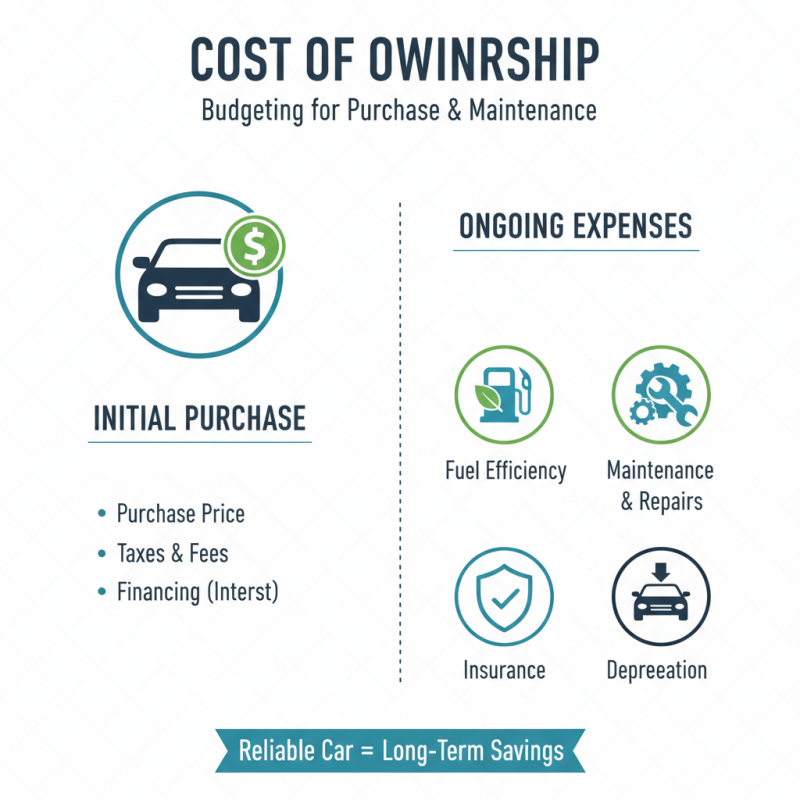
Cost of Ownership: Budgeting for Purchase and Maintenance
When choosing a car, the cost of ownership is a crucial factor. It includes not just the purchase price, but also ongoing expenses. Maintenance, fuel efficiency, insurance, and depreciation need careful consideration. A reliable car may initially cost more, yet save you money over time. Regular service can prolong the vehicle's life, preventing costly repairs.
Budgeting for these expenses can be challenging. For instance, a fuel-efficient model may require a higher upfront investment but will lower fuel costs. Compare maintenance plans and check warranty details. Not every car’s maintenance is the same. Some brands are known for reliability, while others might surprise you. Expect deviations; sometimes even reputed brands can have hidden issues.
Keep an eye on depreciation as well. Some cars lose value faster than others. This is important if you plan to resell your vehicle later. Research the models that retain their value better. You might find that an initially cheaper car costs you more in the long run due to high maintenance or insurance fees. Understanding these elements is essential for making an informed choice tailored to your financial situation.
Researching and Test Driving: Making an Informed Decision
When researching potential car makes, gather thorough information. Start with online resources, reputable automotive websites, and expert reviews. Look for details on safety ratings, fuel efficiency, and consumer satisfaction. Each car has its pros and cons, and it’s essential to weigh them carefully.
Test driving is crucial in making your decision. Visiting a dealership allows you to feel the car's performance firsthand. Pay attention to how the car handles, its comfort level, and the features that matter most to you. A brief test drive may not reveal everything, so take your time. Sometimes, the car that looks perfect on paper may not feel right on the road.
Consider different models within your chosen make. Some may excel in reliability, while others focus on technology or design. Don't hesitate to reflect on your preferences and needs. Your ideal car should align with your lifestyle, whether it’s for daily commuting or family trips. Balancing personal tastes and practical aspects can be challenging but rewarding.