Why Are Energy Cars the Future of Sustainable Transport?
The emergence of Energy Cars marks a pivotal shift in the transportation landscape. According to a report by the International Energy Agency, electric vehicle sales surged by 40% in 2022, reflecting the growing demand for sustainable transport solutions. As the world grapples with climate change, these vehicles present a critical opportunity to reduce carbon emissions.
Industry expert Dr. Sarah Thompson highlights, "Energy Cars are not just a trend; they are the backbone of a sustainable future." Her insights underscore the necessity for innovation in this sector. The rapid advancements in battery technology are making Energy Cars more accessible and efficient. However, challenges remain, including the need for improved infrastructure and battery recycling solutions.
Investments in sustainable technologies are essential. The transition to Energy Cars requires extensive collaboration among governments, manufacturers, and consumers. While enthusiasm grows, it is important to address the environmental impact of battery production and the urgency of transitioning to renewable energy sources. The journey towards sustainable transportation is complex, but Energy Cars are leading the charge.
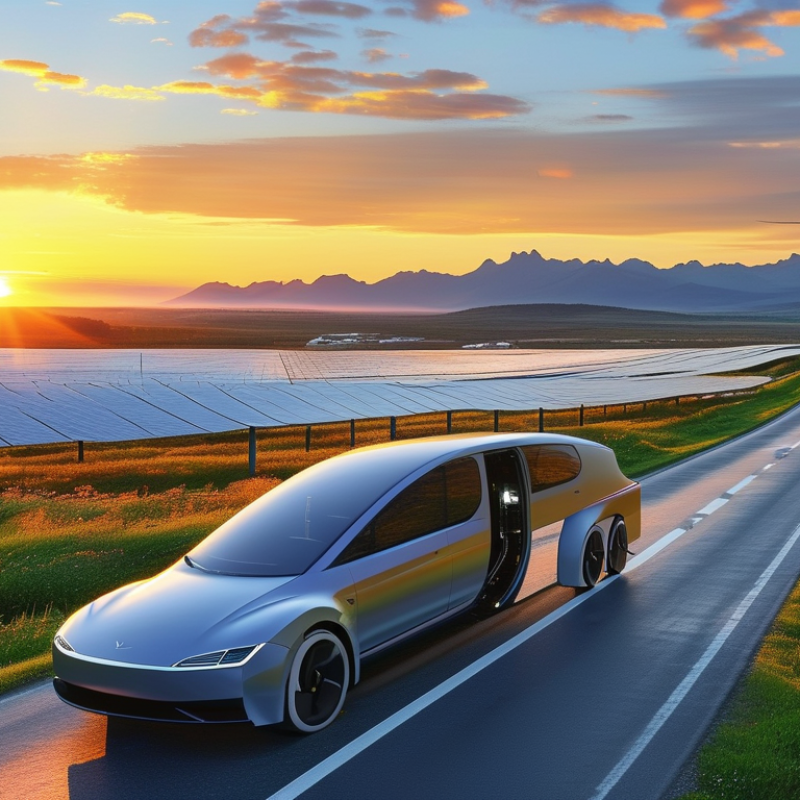
The Importance of Sustainable Transport in Addressing Climate Change
Sustainable transport plays a crucial role in combating climate change. The transportation sector contributes nearly 24% of global greenhouse gas emissions. As urban areas grow, the need for cleaner alternatives rises. Electric vehicles (EVs) have emerged as a vital solution, especially as battery technology advances. The International Energy Agency reports that, by 2030, EVs could account for 30% of all vehicles on the road.
However, challenges remain. The environmental impact of battery production is significant. Mining for lithium and cobalt raises ethical concerns, including child labor and environmental degradation. The production process can emit substantial CO2, offsetting some benefits of electric cars. Addressing these issues is essential for true sustainability in transport.
Moreover, charging infrastructure must expand. For every EV, a robust charging network is necessary. Currently, many regions lack adequate access. This inequality of resources creates barriers for potential EV users. It may hinder progress towards energy cars becoming mainstream solutions. Ultimately, fostering a sustainable transport ecosystem requires careful consideration of both benefits and challenges.
Understanding Energy Cars: Types and Technologies
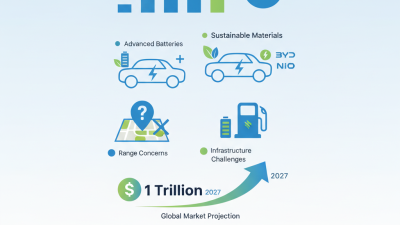
Energy cars represent a significant shift towards sustainable transport. Different types of energy cars include electric vehicles (EVs), hydrogen fuel cell vehicles, and plug-in hybrids. Each technology presents unique advantages and challenges. EVs are popular for their efficiency and lower emissions. However, the charging infrastructure can lag behind demand, leading to range anxiety for users.
Hydrogen fuel cell vehicles offer quick refueling and longer ranges than most conventional EVs. Yet, hydrogen production and distribution remain significant hurdles. Plug-in hybrids bridge the gap by combining electric and gasoline power. They provide flexibility but may still rely on fossil fuels. While energy cars are promising, these technological disparities require careful consideration and ongoing innovation.
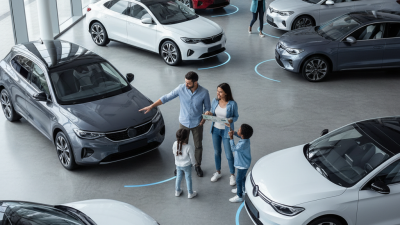
When choosing an energy car, consider your driving habits. Assess your daily range, availability of charging stations, and energy sources for charging. Don’t overlook the total cost of ownership, including maintenance and insurance. Researching how various energy sources impact your car’s lifecycle can also provide deeper insights. Being informed helps in making better choices for sustainable transport.
Benefits of Energy Cars Over Traditional Vehicles
Energy cars present significant advantages over traditional vehicles. One of the most striking benefits is their environmental impact. Unlike gasoline-powered cars, energy cars produce zero tailpipe emissions. This shift can markedly reduce urban air pollution. Cleaner air leads to healthier communities. Less dependence on fossil fuels means a smaller carbon footprint.
Another key factor is the efficiency of energy cars. They convert energy into motion far better than conventional engines. This efficiency often translates into lower operating costs for owners. Charging at home can also be more convenient than stopping at gas stations. Many areas offer incentives for energy car ownership, adding to their appeal and cost-effectiveness.
However, the transition to energy cars isn't without challenges. The availability of charging infrastructure can be limited in some regions. Additionally, concerns about battery life and disposal remain valid. Awareness and education around these issues can foster better decisions for potential buyers. Embracing energy cars requires a commitment to sustainable choices. Small steps can lead to substantial change in our transportation systems.
Challenges Facing the Adoption of Energy Cars
The adoption of energy cars faces several notable challenges. One major hurdle is the limited charging infrastructure.
Many potential users worry about running out of battery and finding a convenient charging station. In urban areas, this can often deter individuals from making the switch. Rural regions pose an even bigger problem, with fewer options available.
Another significant challenge is the initial cost of energy cars. While prices are gradually dropping, they still remain higher than traditional vehicles. This creates a barrier for many consumers. Additionally, the perception that energy cars are less reliable than gasoline-powered vehicles persists. Many people are hesitant to trust newer technology.
Public awareness is another critical issue. Many consumers lack a deep understanding of the benefits energy cars provide. Some may also have misconceptions about their efficiency and range. This gap in knowledge could hinder the widespread acceptance of these vehicles.
Addressing these challenges requires collaboration between manufacturers, governments, and communities to create a more supportive environment for energy cars.
The Future of Energy Cars in Urban Mobility Solutions
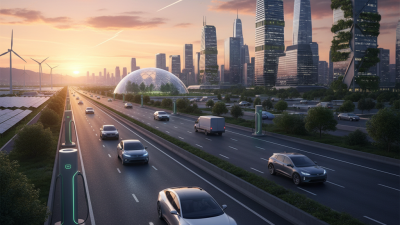
Urban areas are rapidly evolving, and energy cars are playing a pivotal role in this transition. With increasing congestion and pollution, cities require innovative solutions. Energy cars not only reduce emissions but also offer flexibility in urban mobility. They become integral to electric public transport systems, enabling seamless movement across cities.
Using energy cars can improve your commuting experience. Look for car-sharing programs that utilize energy vehicles. This approach maximizes convenience and minimizes costs. Prioritize eco-friendly routes using navigation apps to decrease travel time and carbon footprint. It’s a small change with a significant impact.
Investing in charging infrastructure is also essential. Cities need accessible charging points. However, this presents a challenge. Some neighborhoods lack facilities, making energy cars less practical for many. Engaging local communities can ensure balanced growth in infrastructure. This requires collaboration between city planners and residents to address gaps and enhance the system.
Why Are Energy Cars the Future of Sustainable Transport? - The Future of Energy Cars in Urban Mobility Solutions
| Dimension |
Data |
| Projected Global EV Sales (2025) |
23 million units |
| Percentage of Total Car Sales (2025) |
18% |
| Average EV Range (2023) |
300 miles |
| Carbon Emission Reduction Potential (by 2030) |
700 million tons |
| Charging Station Growth (2022-2025) |
50% |
| Cost of EV Battery (2023) |
$137 per kWh |
| Government Incentives for EV Purchases (Average) |
$7,500 |
| Urban Mobility Solutions Implemented |
Smart charging, Ride-sharing |