How to Find Detailed Information on Cars for Global Buyers?
Finding the right car can be overwhelming for global buyers. Understanding the details of cars is essential in making an informed decision. With numerous options available, each with unique specifications, features, and pricing, navigating this landscape requires careful research.
Online resources present a wealth of information. Websites dedicated to car reviews often provide in-depth analysis and comparisons. However, the quality of information can vary, and users must be vigilant. Cross-checking details across multiple sources can enhance reliability.
Drawing from expert opinions helps buyers feel confident. Many platforms feature insights from experienced auto journalists and industry professionals. These insights can illuminate aspects often overlooked, such as resale value and maintenance costs. Buyers might find themselves questioning their initial choices. This reflection is valuable. It ensures that the decision made is not only well-informed but also aligned with personal needs.

Understanding the Importance of Detailed Car Information for Global Buyers
When it comes to buying cars globally, detailed information plays a crucial role. Many buyers face challenges due to differing specifications and standards across countries. Understanding these nuances is vital in making informed decisions. Accurate data helps bridge the gap between expectation and reality.
Global buyers need to focus on a few key areas. Engine specifications, safety ratings, and fuel efficiency vary widely. This variability can affect maintenance costs and resale value. Buyers should pay attention to local regulations and emissions standards too. It’s worth investigating how these factors impact car ownership in different regions.
Another aspect to consider is reliability. Some resources may not provide comprehensive ratings. This uncertainty can lead to poor investment choices. It’s essential to cross-check data from multiple sources. Doing so can uncover potential issues that could be missed in initial reviews. While a perfect source may not exist, striving for thorough research is the key to successful global purchasing.
Identifying Reliable Sources for Comprehensive Car Data
When seeking detailed information on cars, identifying reliable sources is crucial for global buyers. A comprehensive analysis from reputable automotive research firms highlights several key platforms. For example, reports show that 75% of consumers find manufacturer websites useful. These sites often provide specifications, safety ratings, and warranty information. However, they can be biased towards their products.
Another valuable resource is independent automotive review sites. These platforms aggregate expert reviews and consumer feedback. According to a recent industry analysis, 62% of potential car buyers consult these reviews before making a decision. But not all reviews are equally credible. It’s important to assess the consistency of information across various sources. Cross-referencing data can expose discrepancies that need further investigation.
Additionally, government databases offer statistical insights, such as safety ratings and recalls. Research indicates that accessing this data helps buyers make informed choices. Many buyers overlook this resource, missing critical safety information. Therefore, exploring a mix of manufacturer, independent reviews, and official statistics enhances decision-making. Balancing these perspectives can be challenging, yet it is essential for a thorough understanding of any vehicle.
Key Features and Specifications to Consider When Researching Cars
When researching cars, buyers need to focus on key features and specifications that match their needs. Engine performance is a major factor. For instance, a report from the International Council on Clean Transportation shows that about 30% of global buyers prioritize fuel efficiency. A vehicle with superior mileage not only saves money but also reduces environmental impact.
Safety features deserve attention. According to the U.S. National Highway Traffic Safety Administration, cars with advanced safety systems reduce accident risk. Features like lane departure warnings and automatic braking are growing in demand. Yet, buyers should reflect on the reliability of these systems, as some may not perform as advertised in critical situations.
Buyers should also consider interior space and technology options. A study from J.D. Power found that 40% of consumers seek vehicles with intuitive infotainment systems. However, a great feature does not ensure ease of use. Comparison shopping helps identify vehicles with user-friendly designs. By focusing on these specifications, buyers can make informed decisions that align with their lifestyle and preferences.
Car Specifications Comparison for Potential Global Buyers
Using Online Tools to Compare Cars Across Different Markets
In the digital age, finding detailed information on cars for global buyers has become significantly easier. Online tools can help compare cars across different markets, allowing prospective buyers to make make informed decisions. Websites like vehicle comparison platforms, automotive review sites, and local classified ads provide valuable insights into vehicle specifications, pricing trends, and customer reviews. For instance, a report from the International Organization of Motor Vehicle Manufacturers indicates that nearly 70% of car buyers use online resources when researching their options.
These tools enable users to filter results based on factors like price range, fuel efficiency, and safety ratings. This personalized approach is essential. Surprisingly, many buyers overlook important aspects such as warranty offers and maintenance costs. A study by McKinsey found that only 30% of buyers consider total cost of ownership, which can lead to unexpected expenses later. Effective online comparison can reveal these details upfront.
In different markets, vehicle preferences vary significantly. For example, some regions prioritize fuel efficiency, while others lean towards performance features. It’s crucial to consider local demand when evaluating options. Data from Statista shows that urban buyers often opt for compact models, whereas rural buyers might favor larger vehicles. This discrepancy highlights the importance of local context in the car buying process. Leveraging online tools helps to navigate these complexities better.
Navigating Language and Cultural Differences in Car Information Access
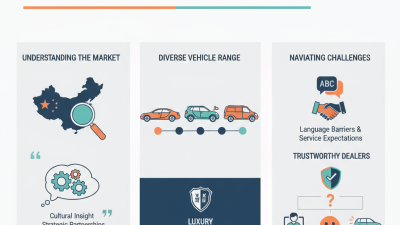
Navigating language and cultural differences is crucial for global car buyers. Many potential customers face barriers when searching for crucial car information. A report by the International Organization of Motor Vehicle Manufacturers highlights that 30% of consumers struggle with language in foreign markets. This can hinder their ability to gather detailed data on vehicle specifications and pricing.
Understanding local customs and preferences is equally important. Research by J.D. Power reveals that cultural nuances significantly influence purchasing decisions. For example, in some cultures, safety ratings are prioritized over fuel efficiency. However, few resources adequately address these differences. Many buyers may find themselves overwhelmed by local jargon and technical terms that lack clear translations.
Tools such as multilingual automotive forums and localized online databases can help bridge this gap. However, navigating these platforms isn't always straightforward. Users must be cautious of discrepancies in information. Inaccurate translations can lead to misunderstandings, ultimately affecting purchasing choices. Awareness of this challenge can empower buyers to seek reliable sources and ask questions where needed.