Top 10 Reasons to Buy a Secondhand Car in China Today?
In recent years, the secondhand car market in China has seen remarkable growth. According to the China Automobile Dealers Association, secondhand vehicle sales doubled from 2019 to 2022, reaching over 15 million units. This surge reflects changing consumer preferences and economic conditions. Buying a secondhand car is now a practical choice for many buyers seeking value.
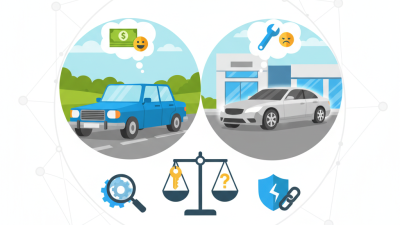
Expert Li Jian, a well-known figure in the automotive industry, emphasizes, “Purchasing a secondhand car allows consumers not just to save money but also to access higher-quality brands.” Potential buyers can find luxury brands at a fraction of the new price, broadening their choices without overspending. Yet, it's essential to consider the potential drawbacks such as vehicle history and maintenance costs.
With the average age of a car in Chinese cities increasing, consumers must navigate a complex market. Each choice carries its risks and rewards. Understanding factors like depreciation and resale value can empower buyers. While secondhand cars can offer financial benefits, they also require careful consideration. Balancing pros and cons is vital for informed decision-making in this evolving landscape.

Reasons forAffordable Pricing Compared to New Cars
In China, the rising cost of living makes secondhand cars appealing. The price gap between new and used vehicles is significant. Secondhand cars offer affordable pricing, allowing more people to own a vehicle. Many used cars are still in excellent condition. They come with lower insurance costs as well.
Depreciation is another reason to consider secondhand models. A new car loses value quickly, especially in the first few years. Purchasing a used car means you avoid that steep depreciation. Additionally, the variety is vast. Buyers can find models that suit their needs without breaking the bank.
However, buyers should approach with caution. Not every secondhand car is a great deal. It’s essential to research each vehicle's history. Checking service records and getting a vehicle inspection are vital steps. A thorough assessment ensures you make an informed choice. Some cars might carry hidden issues that can lead to costly repairs later.
Benefits of Lower Depreciation Rates in Secondhand Vehicles
Buying a secondhand car in China today makes financial sense. One of the standout advantages is the lower depreciation rate compared to new vehicles. According to a recent industry report, new cars typically depreciate by about 20% in their first year. In contrast, a used car loses value more gradually, averaging around 10% per year. This means greater value retention and a smarter investment for buyers.
Another pertinent aspect is the growing market of certified pre-owned vehicles. A report from the China Association of Automobile Manufacturers highlighted that the number of certified pre-owned cars has increased by 30% year-on-year. This surge enhances buyer confidence, offering a compromise between affordability and quality. Consumers often find a great selection of vehicles with reliable histories, reducing risks associated with purchasing secondhand.
However, the used car market is not without its challenges. Buyers may encounter discrepancies in vehicle condition or hidden issues. It's essential to conduct thorough inspections or obtain vehicle history reports. Relying solely on seller claims can lead to regrettable decisions. Engaging third-party services or consulting experienced mechanics may help mitigate these risks.
Top 10 Reasons to Buy a Secondhand Car in China Today
| Reason |
Benefits |
| Lower Initial Cost |
Secondhand cars are generally more affordable than new cars. |
| Reduced Depreciation |
Secondhand vehicles depreciate at a slower rate than new cars. |
| Variety of Choices |
Access to a wide range of models and years. |
| Lower Insurance Costs |
Insurance premiums are often lower for secondhand cars. |
| Quality Certification |
Many used cars come with certifications, assuring quality and reliability. |
| Easier Financing Options |
Banks and financial institutions may offer better financing deals for secondhand cars. |
| Tax Benefits |
Lower registration and tax fees for used vehicles. |
| Less Hard on the Environment |
Buying secondhand reduces the demand for new car production. |
| Warranty Options |
Many used cars come with existing warranties or options for extended warranties. |
| Fewer Add-Ons |
Secondhand vehicles typically have fewer aftermarket additions, simplifying choices. |
Wide Variety of Options Available in the Secondhand Market
The secondhand car market in China offers a rich tapestry of vehicle choices. Recent data from China Automobile Dealers Association reveals that the secondhand car market grew by 12% in the past year. This surge is a reflection of increasing consumer demand and the variety available. Buyers can find everything from compact cars to luxury sedans, catering to diverse preferences. Each vehicle comes with its unique history, often making the selection process intriguing.
Consumers often overlook the appealing options in this market. Many secondhand vehicles are just a few years old, retaining a high level of quality. In 2023, the average price of a secondhand car in China was about 70% of its original retail price. This offers significant savings for budget-conscious shoppers. However, buyers should remain cautious. Not all cars come with reliable documentation or service histories. Thorough inspections and verification are essential before finalizing any purchase. Building a rapport with trusted dealers can enhance the buying experience and mitigate risks.
Top 10 Reasons to Buy a Secondhand Car in China Today
Environmental Impact and Sustainability of Buying Used Cars
Buying a secondhand car in China today not only makes financial sense, but it also aligns with growing environmental concerns. The automotive industry contributes significantly to carbon emissions. By choosing a used vehicle, buyers help reduce the demand for new cars, lessening production-related environmental damage. Each new car requires resources and energy that can harm our planet. Opting for a secondhand option keeps these materials in circulation.
Additionally, maintaining a used car over time can be less energy-intensive than producing a brand new one. For instance, the energy consumption during manufacturing is substantial. A secondhand vehicle can serve several owners, extending its life and maximizing its value. This practice could lead to fewer cars being manufactured, promoting a sustainable cycle in the automotive market.
However, it is important to be cautious. The condition of used cars can vary significantly. Not every secondhand vehicle is eco-friendly; some may have higher emissions than newer models. Buyers should carefully assess a car’s history and efficiency. Conducting thorough inspections and requesting emissions reports can help. This approach ensures that your used car purchase truly supports environmental sustainability.
Access to Comprehensive Vehicle History Reports for Informed Decisions
In today's digital age, accessing comprehensive vehicle history reports has transformed the secondhand car buying experience in China. These reports provide critical details about a car's past, including its ownership history, accident records, and service maintenance. Before making a decision, potential buyers can analyze these reports to avoid hidden pitfalls.
Transparency is crucial in used car transactions. A well-documented history can reveal if a car was previously involved in serious accidents or had significant repairs. This information empowers buyers to make informed choices. However, not all reports are perfect. Some may lack complete data or have inaccuracies. Buyers must remain vigilant and cross-check information.
Additionally, understanding the vehicle history fosters trust between buyers and sellers. Buyers can negotiate better prices based on the vehicle's condition. Yet, many sellers may not be forthcoming with the full story. Therefore, while vehicle history reports are a valuable tool, buyers should approach them critically. They should combine this data with personal inspections and test drives for a well-rounded view.