
Leave Your Message

Top 10 Vehicle Models for Global Buyers

Choosing a vehicle for international use requires more than attractive styling or a familiar badge. Buyers must compare reliability, fuel economy, safety ratings, repair access, cabin space, and ownership costs. A compact hybrid may suit crowded European streets, while a durable pickup can fit rural work in other markets. Weather matters too. So does road quality. The best Model Of A Vehicle is not universal; it depends on people, purpose, and place. This guide introduces ten models frequently considered by global buyers, using practical ownership factors rather than advertising promises. Information should be checked against local specifications, because engines, equipment, warranties, and emissions rules can differ between countries.

Real-world experience often reveals details missed by showroom reviews. A vehicle that feels refined on a smooth highway may struggle with rough roads, limited charging access, or expensive replacement parts. Buyers should examine independent safety assessments, manufacturer service schedules, recall records, and long-term owner feedback. These sources do not always agree. That is worth noticing. Rankings can also change when taxes, fuel prices, insurance costs, and dealer support are included. This selection therefore offers a balanced starting point, not a final verdict. Each featured model deserves a closer check against local climate, driving habits, family needs, and budget. A careful test drive remains valuable, even when online research seems convincing. Small compromises can become expensive surprises. Global appeal is useful, but local suitability matters more.
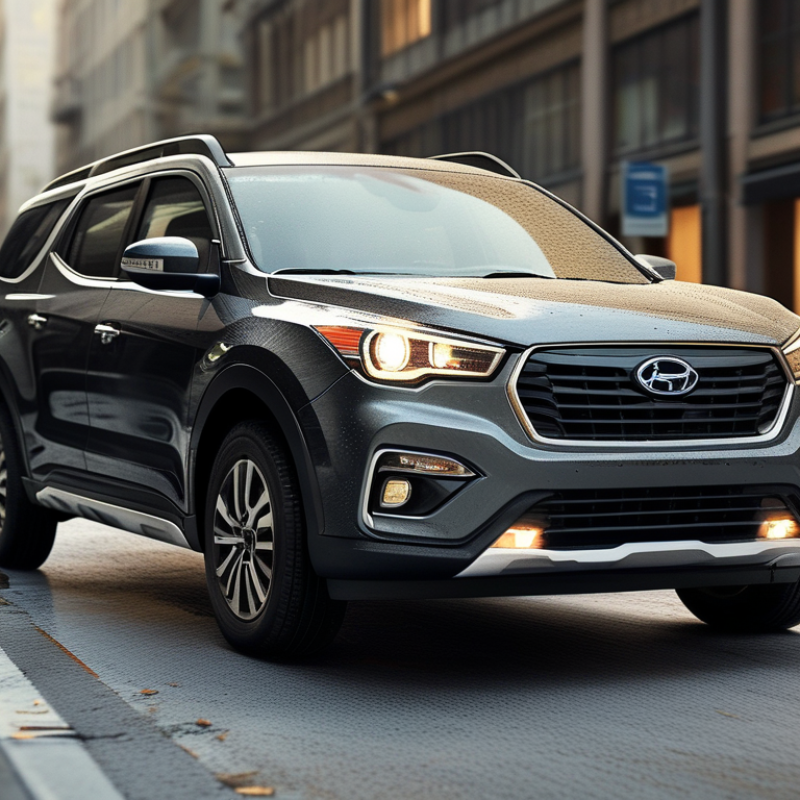
Top 10 Vehicle Models for Global Buyers

Defining the Criteria for Ranking Global Vehicle Models

Top 10 Vehicle Models for Global Buyers

Defining the Criteria for Ranking Global Vehicle Models

A global vehicle ranking needs more than sales figures. I would assess safety using independent crash-test results, standard equipment, and emergency braking performance. A strong model should protect passengers in crowded cities and remote areas.

Reliability would combine long-term owner reports, repair records, warranty data, and workshop access. Parts availability matters greatly. A vehicle may be excellent on paper, yet difficult to maintain in a small coastal town. I would also measure fuel or energy use during real traffic, not only laboratory testing. Air conditioning, heavy loads, and steep roads can change daily efficiency.

Practical design deserves equal attention. Cabin space, ground clearance, luggage capacity, visibility, and simple controls affect real journeys. Climate suitability is essential. Cold regions require dependable heating, while hot regions test cooling systems and battery performance. Ownership cost should include insurance, servicing, tires, taxes, and resale value.

No ranking is perfectly neutral. Data quality differs between countries, and owner feedback can be emotional. I would publish the scoring method and explain missing evidence. A small family may value rear-seat access more than acceleration. A rural driver may prioritize repairability over advanced software. The final list should reflect these differences, while leaving room for revision when new safety tests or reliability data appear.


Identifying the Top 10 Vehicles Across Major World Markets

Across major world markets, the best-selling vehicle models usually solve practical problems rather than chase attention. Our global comparison considers affordability, reliability records, fuel efficiency, safety testing, cabin flexibility, and service access. The leading ten profiles include the compact hatchback, small sedan, midsize sedan, urban crossover, family crossover, seven-seat utility vehicle, compact pickup, electric hatchback, plug-in hybrid SUV, and long-range commercial van. These models fit different roads, climates, and household budgets.

Local experience changes the ranking. A compact hatchback can navigate narrow European streets, while a durable pickup suits remote work routes in parts of Africa, Asia, and the Americas. In dense cities, an electric hatchback offers quiet travel and lower running costs. However, charging access remains uneven. A hybrid crossover may be more dependable for mixed driving, though its higher purchase price deserves careful review. Safety equipment, repair networks, warranty terms, and resale strength should be checked in each country. Data can mislead. Sales volume alone does not prove quality.

Tips: Compare total ownership costs, not only showroom prices. Inspect rear-seat space, luggage capacity, ground clearance, and winter performance. Ask local mechanics about parts availability. Test the vehicle on roads that resemble your daily route. Avoid assuming one global winner exists; taxes, fuel prices, weather, and driving habits can change the result. Even expert rankings need regular revision.

Comparing Performance, Safety, Efficiency, and Practicality

Top 10 Vehicle Models for Global Buyers
Comparing Performance, Safety, Efficiency, and Practicality
Choosing among ten leading vehicle models requires more than comparing engine power. On congested city roads, smooth acceleration and predictable braking often matter more. A vehicle that reaches 100 km/h quickly may still feel tiring during daily traffic.
Safety Safety should be checked through independent crash-test results, emergency braking performance, and visibility from the driver’s seat. Look for clear camera views, strong head restraints, and rear-seat protection. Testing standards differ by region, so one score cannot tell the whole story. Real-world judgment matters.
Efficiency and Practicality Efficiency depends on more than official fuel figures. A small engine can consume more fuel when fully loaded, climbing hills, or using air conditioning continuously. Electric models also need practical charging access, especially in colder areas. Range can shrink noticeably. Measure cargo space with actual luggage, not brochure claims. Folded seats, wide doors, ground clearance, and repair availability can decide whether a model suits family travel or rough rural roads. I have found that quiet cabins and supportive seats are often underrated after several hours behind the wheel. Still, comfort impressions are personal, and even careful rankings contain weak points. A perfect universal choice does not exist.

Examining Regional Preferences, Ownership Costs, and Availability

Top 10 Vehicle Models for Global Buyers

Examining Regional Preferences, Ownership Costs, and Availability

Choosing among the top ten global vehicle models requires more than comparing prices. Regional roads, fuel costs, climate, and repair networks shape daily value. A compact hatchback may suit crowded European streets, while a durable pickup fits rural North American work. In many Asian cities, small engines and hybrid systems reduce fuel spending. Electric models work best where charging stations are reliable, not merely fashionable.

Ownership costs deserve careful checking. Request insurance estimates, scheduled service prices, tire costs, and local tax rates before signing. Parts availability can matter more than a low purchase price. A popular model with scarce components may wait weeks for repairs. Used-vehicle buyers should inspect battery health, accident records, and corrosion, especially near coastlines. My comparison habit is imperfect. I once focused on fuel economy and overlooked expensive suspension repairs. That mistake changed my checklist.

Tips: Compare three local service centers. Check real-world fuel use. Ask about common replacement parts. Test the vehicle on roads matching your routine. Keep a repair reserve. Availability also changes by region and season, so confirm delivery times in writing. Regional reviews provide useful evidence, but owner experiences can be uneven. Pair them with safety data and independent inspection reports. This approach will not remove every surprise. It can make the final choice more defensible.

Evaluating Which Models Best Suit Different Global Buyers

Top 10 Vehicle Models for Global Buyers

Choosing among the top ten vehicle models depends on roads, climate, family size, and ownership costs. A compact hatchback suits crowded European streets and limited parking. A midsize sedan offers calm highway travel and a useful rear seat. For rough rural roads, a compact SUV with strong ground clearance can be more practical. A three-row SUV fits larger families, but its fuel and tire costs may surprise buyers. A small pickup helps rural owners carry tools, yet its cabin comfort may be limited.

Electric models work best where public charging is dependable and home parking allows installation. A hybrid model can suit buyers facing long commutes and changing fuel prices. A compact van supports small businesses, especially with frequent deliveries. A performance coupe attracts drivers who value handling over cargo space. A low-cost city car remains useful in dense areas, although safety equipment and highway stability deserve careful checking.

Test the vehicle in realistic conditions. Sit in every seating row. Measure the trunk with luggage, not brochures. Check visibility during night driving and rain. Service access matters greatly outside major cities. Buyers should confirm warranty coverage, parts availability, import rules, and charging standards before payment. Independent safety results offer stronger evidence than advertising claims. Some rankings still overvalue horsepower. That is a weakness. A model may look ideal online, yet feel cramped after twenty minutes. Local roads, repair skills, and weather often change the final choice.