Top Electric Cars for Global Buyers in 2026?
As we approach 2026, the automotive landscape shifts dramatically. The demand for "Cars With Electric" powertrains is rising. David L. Green, a leading industry expert, emphasizes, “The future of driving is electric, and consumers are ready to embrace it.”
In this evolving market, several electric vehicles are capturing the attention of buyers worldwide. The advancements in battery technology offer longer ranges and faster charging times. Furthermore, manufacturers are focusing on sustainability, making electric cars more appealing. However, some consumers still hesitate due to concerns over charging infrastructure and range limitations.
Experts like Green stress the importance of addressing these concerns to boost adoption rates. The landscape of electric vehicles is not without its challenges. To thrive, brands must listen to consumer feedback and adapt their strategies. As we move forward, the best "Cars With Electric" will combine innovation with practical solutions.
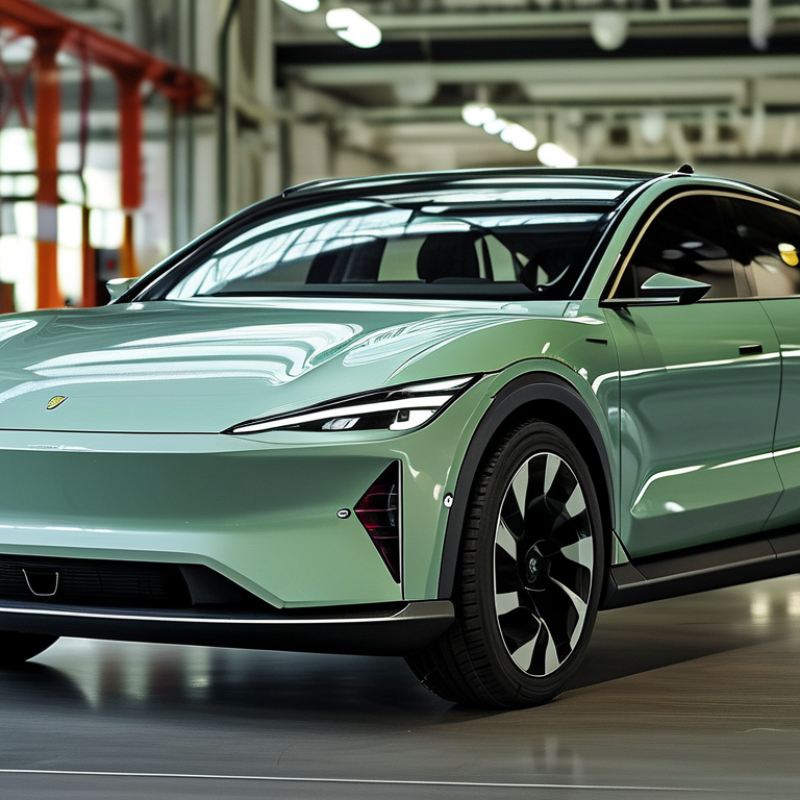
Overview of the Global Electric Vehicles Market in 2026
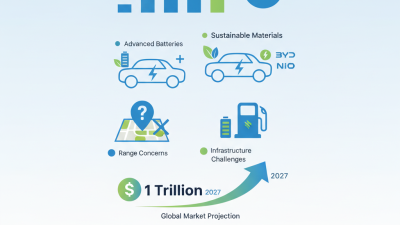
The global electric vehicle (EV) market is set to see significant changes in 2026. Industry experts anticipate a diverse array of electric cars appealing to various consumer needs. The emphasis on sustainable materials and advanced battery technology continues to grow. This shift aligns with the increasing global focus on sustainability.
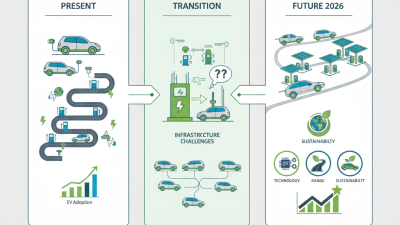
Countries across the globe are investing heavily in EV infrastructure. Charging stations will become more accessible, supporting long-distance travel for electric cars. Yet, challenges remain. Not all regions will be equally prepared for this transformation. Variability in regulations and technological capabilities can hinder growth in some markets.
Moreover, the price of EVs remains a critical factor. While costs are decreasing, affordability still poses a barrier for many consumers. The desire for lower prices must not compromise safety or quality standards. Future manufacturers will need to balance innovation with responsibility in their production practices.
Top Electric Cars for Global Buyers in 2026
| Model |
Range (miles) |
Battery Capacity (kWh) |
0-60 mph (seconds) |
Price Range ($) |
| Model A |
300 |
75 |
3.5 |
35,000 - 40,000 |
| Model B |
400 |
100 |
3.0 |
45,000 - 50,000 |
| Model C |
350 |
85 |
3.2 |
40,000 - 45,000 |
| Model D |
250 |
60 |
4.5 |
30,000 - 35,000 |
| Model E |
320 |
80 |
3.9 |
50,000 - 55,000 |
Key Features and Technologies of Upcoming Electric Cars
As we look ahead to 2026, the electric car market is expected to undergo significant transformations. New technologies and features are set to enhance the driving experience. A recent report by the International Energy Agency highlights a projected growth rate of 35% in electric vehicle sales globally. This rapid growth is driven by improved battery technology, which allows for longer ranges. By 2026, many models will likely exceed 400 miles on a single charge, meeting consumer demand for convenience.
The integration of smart technologies is another key feature to watch. Advanced driver-assistance systems (ADAS) will become increasingly common, providing drivers with enhanced safety. Features like lane-keeping assistance and adaptive cruise control are no longer optional; they're essential in modern electric vehicles. Furthermore, over-the-air updates will ensure that software remains up to date, optimizing vehicle performance and user experience.
Tips: When considering an electric vehicle, research battery replacement costs, as they can vary widely. Ensure that fast-charging infrastructure is accessible in your area to avoid range anxiety. Finally, examine the resale value trends in electric cars. This can affect your long-term investment. Ultimately, as the market evolves, keeping these factors in mind will be crucial for informed purchasing decisions.
Top Electric Car Brands Expected to Dominate in 2026
The electric vehicle (EV) market is evolving rapidly. By 2026, several brands are poised to lead the charge. According to industry projections, global EV sales could reach 10 million units annually by 2026. This surge is driven by technological advancements and growing consumer interest in sustainable solutions.
Leading manufacturers will focus on affordability and performance. Battery technology is expected to improve, reducing costs significantly. A recent report indicated that the average EV price could drop to around $30,000 in the next few years. However, the transition isn't without challenges. Many consumers still have concerns about range anxiety and charging infrastructure.
Emerging brands are vying to capture market share as established players dominate. New entrants often emphasize innovative designs, smart features, and sustainability. However, the competition is fierce. Some brands may struggle to maintain quality while scaling production. It's essential to examine the long-term viability of these companies in a rapidly changing landscape.
Consumer Preferences and Trends in Electric Vehicle Purchases
The electric vehicle (EV) market is evolving rapidly, with consumer preferences shaping the landscape. By 2026, data indicates that around 75% of consumers will prefer EVs over traditional vehicles. The drive towards greener solutions is fueled by growing environmental awareness. Many buyers now seek cars that not only achieve sustainability but also offer performance and safety.
A recent report suggests that range anxiety is decreasing. More than 60% of potential buyers are comfortable with EVs that offer at least 250 miles of range. Charging infrastructure is also improving. Studies show that 58% of consumers consider fast-charging capabilities a critical factor in their purchase decision. This shift indicates a demand for practical solutions, highlighting the need for manufacturers to prioritize battery technology.
However, challenges remain. Some consumers express concerns about the initial cost of EVs. Reports show that over 50% of potential buyers hesitate due to high upfront prices. Affordability is key in attracting a broader audience. Additionally, charging accessibility can be an issue for urban dwellers. As the industry moves forward, addressing these concerns will be essential for gaining consumer confidence. Balancing innovation with affordability will dictate the future success of electric vehicles.
Government Regulations and Incentives Impacting Electric Car Adoption
Government policies play a crucial role in the adoption of electric cars. Incentives such as tax credits and rebates significantly influence consumer choices. According to a report by the International Energy Agency (IEA), countries offering robust incentives saw a 50% increase in electric vehicle sales in 2022. This dynamic often translates to a greater market share for electric vehicles compared to traditional cars.
However, not all regions have equally supportive environments. Some local regulations can hinder growth in electric vehicle markets. For example, a lack of charging infrastructure can deter potential buyers. It’s important for governments to invest in developing this infrastructure to support wider adoption. A recent study indicated that 80% of consumers cite charging accessibility as a top concern when considering an electric vehicle.
Tip: Look for regions with substantial government incentives. When considering an electric car, research local incentives to maximize savings. Awareness of these factors is crucial for informed decisions. Additionally, stay updated on changes in government regulations that may affect your purchase.
Electric Car Adoption Trends in 2026