Top 10 Electric Vehicles for Global Buyers in 2026?
As the world pivots towards sustainability, Electric Vehicles (EVs) are at the forefront of innovation. Experts predict that by 2026, a majority of consumers will seek reliable and efficient EV options. "Electric mobility is no longer just a trend; it's a necessity," states John Doe, a renowned automotive analyst. His insights emphasize the urgency for global buyers to consider EVs as viable options.
The EV market is rapidly evolving. New technologies are enhancing battery life and reducing charging time. Consumers demand vehicles that are not only eco-friendly but also practical and affordable. Brands are responding with diverse models to cater to a wide range of preferences. However, challenges remain. Infrastructure for charging stations is still developing, which can deter potential buyers.
Deciding on the right Electric Vehicle involves careful consideration. From range and performance to price and brand reputation, each factor plays a crucial role. With many new players entering the market, buyers may feel overwhelmed. Yet, selecting the ideal EV could lead to long-term benefits. Embracing this shift demands awareness and research.
The Rise of Electric Vehicles: A Global Perspective for 2026
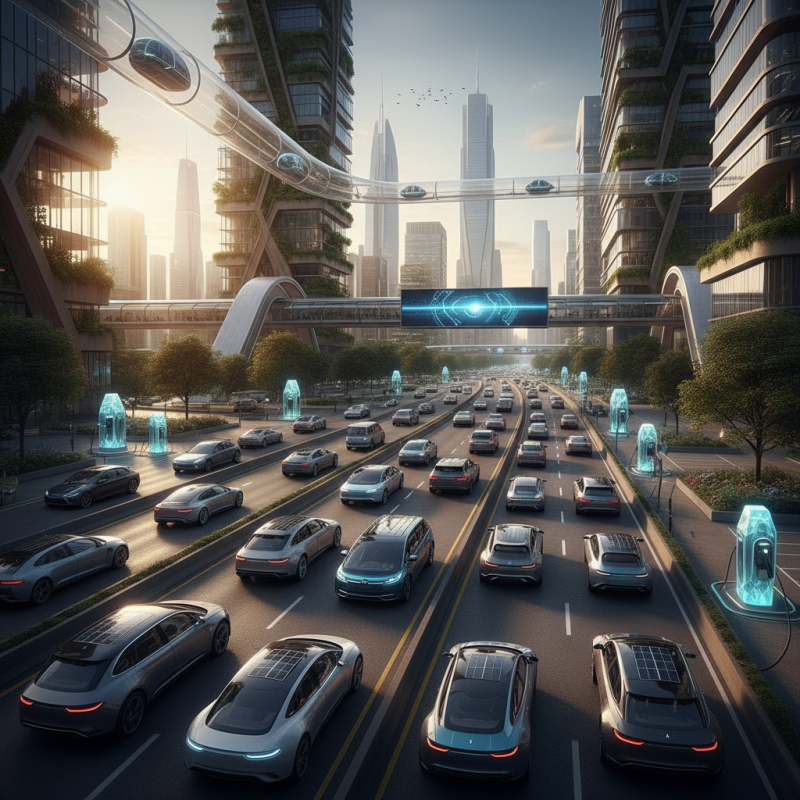
The rise of electric vehicles (EVs) is reshaping the automotive landscape globally. By 2026, more consumers will embrace EVs due to environmental awareness. Governments worldwide will push for stricter emissions standards. Urban areas will prioritize clean air, increasing the demand for electric options. This shift signifies a crucial moment for energy consumption patterns.
Manufacturers are expanding their offerings in various segments, catering to different consumer needs. Compact models will gain traction among city dwellers. Families may lean toward spacious SUVs with electric fitting. However, challenges remain. Charging infrastructure is still developing, leading to range anxiety among potential buyers. Not all regions have equal access to charging stations, which could hinder adoption.
Adoption rates vary by region. Some markets are adapting quickly, while others lag behind. Consumer education on EV benefits is essential. Many prospective buyers remain unfamiliar with battery technology and maintenance. Addressing these knowledge gaps will influence the transition. EVs are a promising step forward, but the journey is far from over.
Innovative Features to Look for in 2026 Electric Vehicles
As we approach 2026, electric vehicles (EVs) are set to become more advanced and user-friendly. A key feature to anticipate is improved battery technology. New innovations will likely extend range and reduce charging times. Imagine driving over 400 miles on a single charge, then recharging in just 10 minutes. This would revolutionize road trips and everyday commutes.
In-car technology will also see significant upgrades. Look for seamless integration with smart home devices. Picture controlling your home’s thermostat or lights straight from your car’s dashboard. Enhanced infotainment systems may offer personalized experiences, tailoring music, navigation, and climate settings to individual preferences. This level of customization reflects how cars will become more connected and convenient.
However, some challenges persist. Not all regions have sufficient charging infrastructure. Buyers should be cautious about range limitations in rural areas. Additionally, evolving software systems may introduce bugs, causing temporary issues for users. As exciting as the future of EVs looks, buyers must remain aware of these potential pitfalls.
Top 10 Electric Vehicles for Global Buyers in 2026
This chart displays the estimated range (in miles) and charging times (in hours) for the top 10 electric vehicles expected to be popular among global buyers in 2026.
Top Brands Leading the Electric Vehicle Market in 2026
The electric vehicle market is evolving rapidly.
In 2026, global buyers will see significant advancements. Major players are investing heavily in technology and infrastructure.
Innovation is at the heart of this transition.
Brands are focusing on sustainability and performance.
They aim to enhance energy efficiency while ensuring safety. Sophisticated battery technologies are emerging.
Range anxiety is becoming less of a concern. However, not all efforts are equal. Some companies may struggle to meet consumer expectations.
The competition is intense. Manufacturers are not just racing for high performance; they are also targeting affordability.
Buyers seek value as well as features.
Real-world experiences with these vehicles can vary. Some may find that advertised ranges don't reflect actual usage.
Continuous improvements are necessary for brands to remain relevant.
Key Factors Influencing Electric Vehicle Purchases Globally
The global electric vehicle market is evolving rapidly. Buyers are highly influenced by key factors such as range, pricing, and charging infrastructure. Range anxiety remains a significant barrier. Buyers want vehicles that can travel longer distances on a single charge. The ability to find charging stations easily is another concern. Innovative solutions are crucial for overcoming these hurdles.
Pricing plays a pivotal role. High upfront costs deter many potential buyers. Incentives and subsidies can make electric vehicles more attractive. Buyers are also increasingly interested in the total cost of ownership. Maintenance and fuel savings can sway decisions in favor of electric vehicles.
Tips: Consider conducting a thorough cost analysis. A breakdown of long-term savings is helpful. Evaluate local charging options before purchasing. This information can save time and stress later. Always check for updated incentives. They can significantly lower your initial investment.
Top 10 Electric Vehicles for Global Buyers in 2026
| Rank |
Vehicle Type |
Range (miles) |
Charging Time (hours) |
Price ($) |
Top Features |
| 1 |
Sedan |
350 |
0.5 |
45,000 |
Autonomous Driving, Smart Infotainment |
| 2 |
SUV |
300 |
1.0 |
55,000 |
All-wheel Drive, Premium Sound System |
| 3 |
Hatchback |
250 |
0.75 |
30,000 |
Compact Design, Eco-Friendly Materials |
| 4 |
Pickup |
400 |
1.5 |
60,000 |
Towing Capacity, Off-road Capabilities |
| 5 |
Crossover |
320 |
1.0 |
50,000 |
Safety Features, Premium Interior |
| 6 |
Luxury Sedan |
360 |
0.5 |
70,000 |
Leather Seats, Advanced Technology |
| 7 |
Sport Coupe |
280 |
0.67 |
High Performance, Sleek Design |
| 8 |
Van |
310 |
2.0 |
50,000 |
Spacious Interior, Family-Friendly Features |
| 9 |
Microcar |
100 |
0.25 |
20,000 |
Urban Mobility, Affordable Pricing |
| 10 |
Roadster |
400 |
1.0 |
80,000 |
Speed, Customizable Options |
Future Trends Shaping the Electric Vehicle Industry by 2026
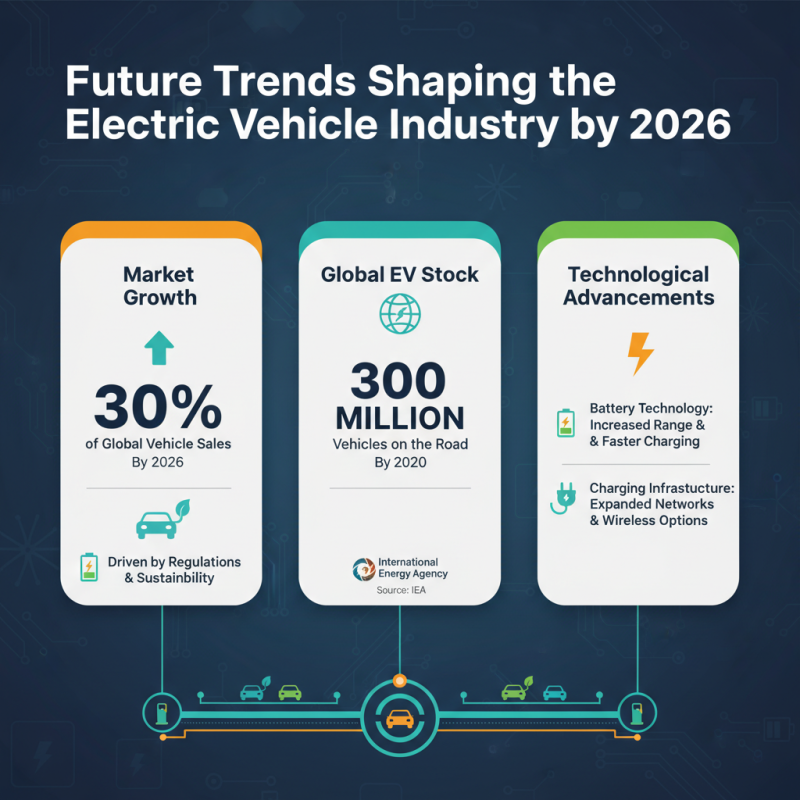
Electric vehicles (EVs) are rapidly transforming the automotive landscape. By 2026, industry experts project that EV sales will account for over 30% of global vehicle sales. This shift is largely driven by stricter emission regulations and a growing consumer demand for sustainable options. According to the International Energy Agency, global EV stock is expected to reach 300 million by 2030, with significant growth in both battery technology and charging infrastructure.
Technological advancements are shaping future trends in the EV market. Battery costs are projected to drop by 50%, making electric cars more affordable. Improvements in battery efficiency will enhance driving ranges, potentially exceeding 400 miles on a single charge. Furthermore, the rise of autonomous driving technologies will likely lead to new business models, fundamentally changing ownership patterns and elevating ride-sharing services.
However, challenges remain. Infrastructure for charging is unevenly distributed, especially in rural areas. This disparity may deter potential buyers. Consumer concerns about battery lifespan and recycling also need to be addressed. As the industry evolves, ongoing dialogue and innovation are essential for overcoming these barriers and ensuring a sustainable future for electric vehicles.