Top 10 Vehicle Types for Cars Every Buyer Should Consider?
In today's automotive market, selecting the right vehicle type car can be overwhelming. With numerous options available, it's essential to consider various factors. As renowned automotive expert, John Smith, states, "The right vehicle type car can transform your driving experience." His insight highlights the importance of understanding the different types of vehicles suited to specific needs.
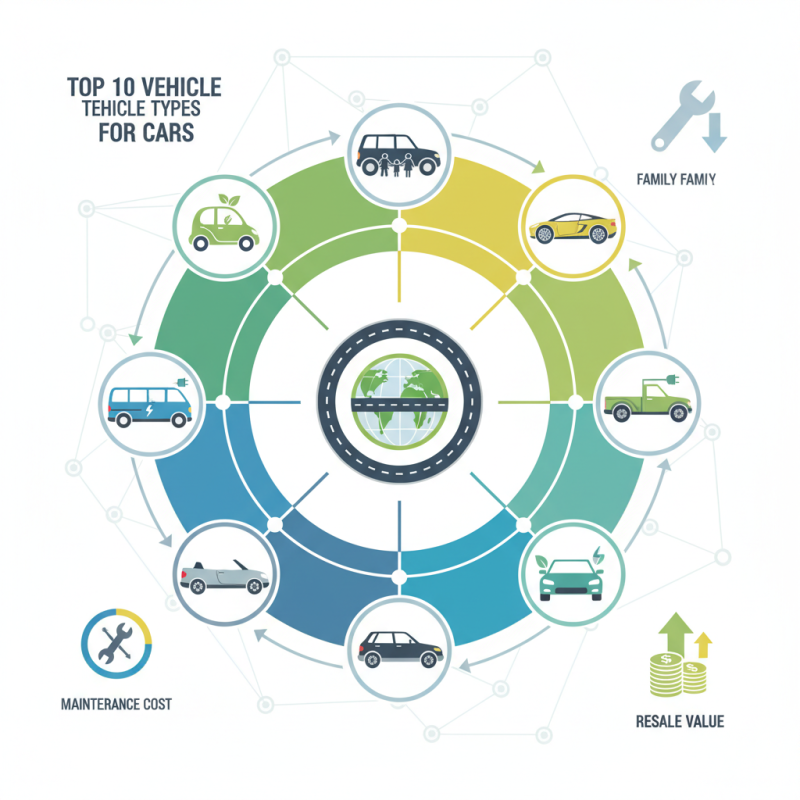
Each vehicle type car serves distinct purposes, catering to diverse lifestyles. For instance, SUVs offer spaciousness for families, while compact cars excel in fuel efficiency for city driving. But is bigger always better? Potential buyers often grapple with choices that reflect not only their preferences but also their practical requirements.
Additionally, the growing trend toward electric and hybrid vehicles adds another layer of complexity. Consumers must weigh eco-friendliness against performance. Despite having preferences, many buyers might overlook vital aspects like maintenance costs or resale value. Understanding these factors is crucial for making informed choices. Ultimately, reflecting on one’s lifestyle and priorities is key to selecting the ideal vehicle type car.
Key Factors to Consider When Choosing a Vehicle Type
When choosing a vehicle type, consider the primary use and lifestyle. Each vehicle type serves different needs, from commuting to off-roading. For instance, sedans are often favored for urban driving, while SUVs provide space for family trips and outdoor activities. According to a recent report by the National Highway Traffic Safety Administration, sedans accounted for nearly 40% of vehicle sales in 2022. They offer fuel efficiency and comfort, important metrics for daily drivers.
Another factor to weigh is safety. SUVs have become prominent due to their higher driving position and perceived safety benefits. A study from the Insurance Institute for Highway Safety shows that SUVs typically perform better in crash tests compared to smaller car types. However, this isn't a perfect solution. Some models may compromise fuel economy for size.
Cost is always a crucial element. While larger vehicles may seem appealing, they often come with higher insurance and maintenance costs. Buyers should calculate their total ownership costs, which may include financing, fuel, insurance, and repairs. Understanding these elements can lead to a more sustainable and satisfying vehicle choice in the long run.
Compact Cars: Best for City Driving and Fuel Efficiency
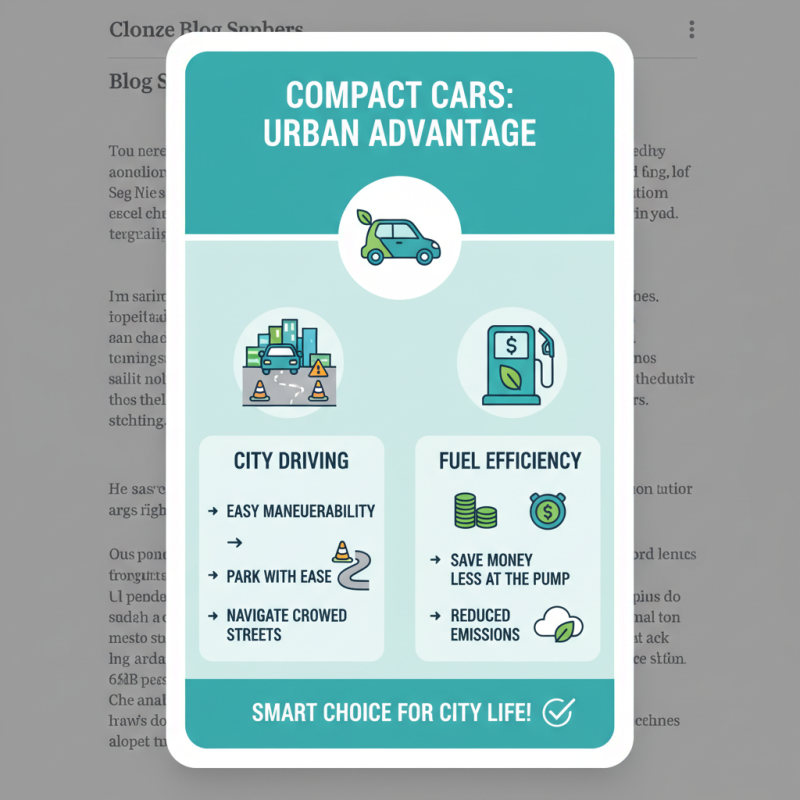
Compact cars have gained immense popularity among urban dwellers. Their smaller size enhances maneuverability in busy streets. Additionally, they are often more fuel-efficient than larger vehicles. This can lead to significant savings over time, especially in a city setting where traffic congestion is common.
When choosing a compact car, consider practicality. Look for features like a spacious interior and trunk for every need. Keep in mind that not all compact cars offer the same level of comfort. Some models may sacrifice space for style, leaving potential buyers grappling with limited legroom.
Tips for making a smart choice involve test driving various models. This experience helps gauge comfort levels. Another suggestion is researching fuel efficiency ratings. There are varying levels, and finding the best can influence long-term costs. Be mindful that even compact cars have different performance traits. Reflect on your daily driving routes and choose accordingly.
SUVs: Versatile Options for Families and Outdoor Adventures
When it comes to selecting the ideal vehicle, SUVs emerge as a top choice for families and adventure seekers alike. Their spacious interiors offer ample room for passengers and cargo. A well-designed SUV can comfortably seat up to seven people, making long family trips enjoyable. Foldable seats and sliding configurations also enhance storage flexibility. Imagine packing for a weekend getaway without leaving anything behind.
SUVs are equipped for various terrains and conditions. They often feature all-wheel or four-wheel drive systems. This capability ensures safe travel during winter storms or off-road adventures. However, not all SUVs deliver equal performance. Buyers need to consider fuel efficiency, handling, and maintenance costs. Some models might seem attractive but can be costly in the long run.
While SUVs present numerous advantages, they also come with some drawbacks. They can be more challenging to park in urban settings, and larger sizes lead to higher fuel consumption compared to sedans. It’s crucial to weigh these factors against your lifestyle. Choosing the right SUV requires a balance between practicality and excitement. Engaging with reliable reviews and expert insights can significantly influence the decision-making process.
Sedans: A Balance of Comfort, Space, and Performance
Sedans are a popular choice among car buyers for good reason. They offer a well-rounded combination of comfort, space, and performance. According to the latest industry reports, sedans account for nearly 30% of the vehicle market in the U.S., demonstrating their enduring appeal. They provide ample legroom and trunk space, making them suitable for families and commuters alike.
While sedans excel in comfort, it’s important to consider fuel efficiency as well. Many sedans today offer impressive mileage, averaging around 30 MPG. This means fewer stops at the gas station, which can translate into cost savings over time. However, buyers should be aware that not all sedans deliver the same level of efficiency. Research is essential to find models that suit individual needs.
Tip: Look for sedans with hybrid or electric options. These can provide better fuel economy and lower emissions. Additionally, take the time to test drive different makes and models. Comfort levels can vary widely, and what feels good to one person may not to another. Remember, a car is a long-term investment, so ensure it meets your lifestyle requirements.
Electric and Hybrid Vehicles: The Future of Eco-Friendly Driving
Electric and hybrid vehicles are transforming the automotive landscape. According to a report by the International Energy Agency, electric car sales surged by 40% in 2020, reaching 3 million units globally. This trend is projected to continue, with electric vehicles expected to make up 30% of total vehicles sold by 2030. These figures underscore the growing shift towards eco-friendly driving solutions.
Many consumers are motivated by sustainability. Hybrid vehicles combine gasoline engines with electric motors, improving fuel efficiency by up to 50%. This not only reduces emissions but also leads to cost savings on fuel. However, the charging infrastructure remains a challenge. As of 2021, there were only 100,000 public chargers in the U.S., highlighting the need for growth in this area. Adequate charging stations are crucial for the widespread adoption of electric vehicles.
Challenges exist in battery life and environmental impact. Producing batteries requires rare minerals, raising concerns about mining. Recycling processes for these batteries are still developing. As the market evolves, these issues need addressing. Consumer education on the benefits and limitations of electric and hybrid vehicles is essential. Understanding these factors will help in making informed choices for a sustainable future.