Why Choose China for Automobile Trading?
China offers a compelling starting point for Automobile Trading, combining export scale, manufacturing depth, and expanding electric vehicle production. The numbers matter. According to the China Association of Automobile Manufacturers, China exported 4.91 million vehicles in 2023, up 57.9% year-on-year. New energy vehicle exports reached approximately 1.20 million units, increasing 77.6%. These figures demonstrate substantial international demand, although export growth alone cannot establish supplier reliability or buyer profitability.
Electric vehicles strengthen this opportunity. The International Energy Agency’s Global EV Outlook 2024 reported that China accounted for nearly 60% of worldwide electric car sales in 2023. Fatih Birol, the IEA’s Executive Director and an expert on energy markets affecting international automobile trade, explained the broader shift: “Electric vehicles are one of the driving forces in the new global energy economy that is rapidly emerging.” His statement accompanied the agency’s Global EV Outlook 2023 release. For importers, China’s production ecosystem creates opportunities to compare battery specifications, vehicle configurations, and supplier capabilities across multiple manufacturers.
Details still matter. A competitive factory quotation can become less attractive after freight, destination taxes, certification, and spare parts support are included. Buyers should verify vehicle identification numbers, battery warranties, charging compatibility, and destination approval requirements before committing funds. There is an uncomfortable limitation here: attractive specifications do not guarantee dependable ownership experiences abroad. China deserves consideration because of its scale and product breadth, while each transaction requires its own commercial assessment.
China’s Role in the Global Automobile Trade
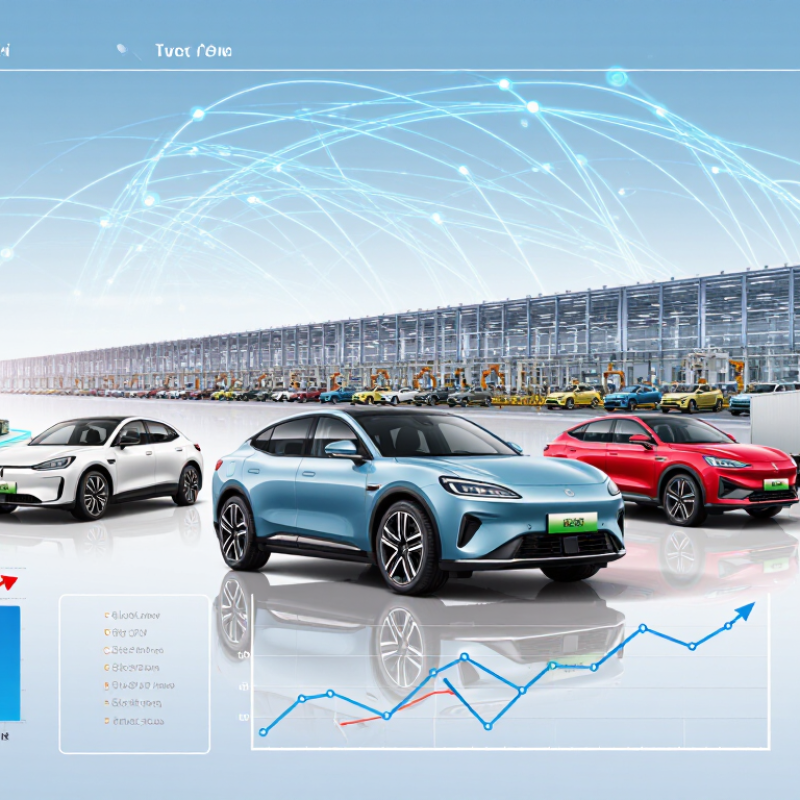
China plays a major role in global automobile trade through vehicle production, component supply, and expanding export networks. Its influence extends beyond finished cars to batteries, electric motors, and replacement parts. For overseas traders, this creates opportunities to source vehicles and supporting components within one manufacturing ecosystem. Scale matters. A passenger vehicle shipment may depend on nearby suppliers for seats, wiring, glass, and electronic controls. This industrial concentration can simplify sourcing, although it does not guarantee consistent quality or the lowest delivered cost.
China’s growing electric vehicle exports are also changing what international buyers evaluate before placing orders. Battery capacity, charging compatibility, and software language settings now sit alongside engine specifications and purchase prices. Details matter. A competitively priced vehicle can become difficult to sell if local charging equipment cannot support it. Port connections and established shipping routes support international distribution, but freight rates and delivery schedules still fluctuate. China’s supply depth is attractive, yet assuming every export supplier offers dependable after-sales support would be a mistake. Spare-parts availability deserves closer attention than it sometimes receives.
Tips: Request a sample inspection report, a written warranty scope, and a parts availability list before committing. Compare total landed costs, including freight, insurance, duties, and destination compliance expenses. For electric vehicles, confirm charging standards and battery warranty coverage in the intended market.
Source:
China Association of Automobile Manufacturers (CAAM),
annual automobile industry results for 2023 and 2024. Figures represent historical full-year industry statistics.
Definitions:
Vehicle totals include passenger and commercial vehicles. New energy vehicles include battery electric vehicles, plug-in hybrid vehicles, and fuel-cell vehicles. CAAM vehicle sales include exports and should not be interpreted as domestic retail registrations. New energy vehicle sales shares are rounded to one decimal place.
Trading considerations:
These indicators describe market scale. Import eligibility, vehicle specifications, certification requirements, tariffs, shipping costs, and after-sales support must be assessed for each destination market.
Manufacturing Scale and Supply Chain Integration
Why Choose China for Automobile Trading?
Manufacturing Scale and Supply Chain Integration
China’s manufacturing scale gives automobile traders access to extensive production capacity and specialized suppliers. The China Association of Automobile Manufacturers reported 30.16 million vehicles produced in 2023, up 11.6% year on year. Scale matters. Large production volumes support specialized factories making components such as wiring harnesses, stamped panels, and cooling systems. For buyers, this can widen sourcing options across vehicle categories and replacement parts. However, national production figures cannot prove that an individual supplier delivers consistent quality.
Supply chain integration adds another advantage, particularly for electric vehicles. The International Energy Agency’s Global EV Outlook 2024 reported that China represented around 60% of global electric car sales in 2023. That domestic demand supports an extensive ecosystem of battery, motor, and power electronics suppliers. When suppliers operate near assembly plants, shorter transport routes can simplify component deliveries and engineering coordination. Proximity helps. Still, assuming every industrial cluster offers equally strong integration would be a mistake. A low vehicle quotation may also exclude diagnostic equipment, spare parts, or destination-specific certification costs.
Tips:
Request a sample vehicle, a component traceability record, and a written spare-parts lead-time schedule before ordering. Ask which components depend on a single supplier. Compare quotations using the same specifications, shipping terms, and inspection requirements. A factory visit can reveal practical details: labeled storage racks, inspection stations, and records of defective-part handling. These checks require effort, and a polished showroom alone provides limited evidence of manufacturing reliability.
Vehicle Variety and Advances in Electric Vehicle Technology
China’s vehicle market gives automobile traders options across compact city cars, family SUVs, sedans, and commercial vans. Choice matters. A narrow electric hatchback suits crowded streets, while a seven-seat SUV serves different passenger and luggage needs.
The International Energy Agency’s Global EV Outlook 2025 reports that China’s electric car sales exceeded 11 million in 2024. Electric models accounted for almost half of domestic car sales. That scale supports a broad selection of battery-electric vehicles and plug-in hybrids across different price points.
The same report identifies China as the source of more than 70% of global electric car production in 2024. Battery development is especially relevant for buyers comparing cost, range, and charging performance. Lithium iron phosphate batteries offer cost and durability advantages, although cold conditions can reduce usable range.
Charging needs scrutiny. A quoted fast-charging time usually covers a limited battery percentage window under specific conditions. Traders should request the charging curve, battery warranty terms, and results from relevant temperature tests. Dashboard range figures alone provide an incomplete picture.
More choice also creates harder purchasing decisions. A low purchase price can distract buyers from spare-parts availability or unclear battery warranty coverage.
-
Before ordering, compare boot dimensions, rear-seat access, charging-port compatibility, and diagnostic support in the destination market.
-
Ask whether software updates and battery repairs remain available after export.
These details deserve attention alongside battery capacity and advertised driving range.
Pricing Factors and Total Vehicle Sourcing Costs
China’s vehicle manufacturing scale and supplier competition can create attractive sourcing opportunities for overseas buyers. However, advertised prices rarely show the full acquisition cost. Compare equivalent specifications. Battery capacity, powertrain, trim, production date, and order quantity can all affect quotations. A cheaper vehicle may lack charging compatibility or documentation required in your destination market, making the initial saving less attractive. Request a written specification sheet and confirm whether the quotation covers export preparation, inland transport, and delivery to the departure port.
Build your budget around the landed cost per vehicle. Include inspection, freight, cargo insurance, customs duties, applicable taxes, and destination handling. Small charges accumulate. For illustration, a vehicle quoted at $12,000 could reach $15,400 after $3,400 in additional sourcing and import costs. These figures are hypothetical; actual charges depend on the vehicle, shipping route, destination rules, and agreed delivery terms. Ask whether freight uses container or roll-on/roll-off shipping, and check unloading charges, storage allowances, and insurance exclusions before comparing offers.
Payment timing also deserves attention because exchange-rate movements between the deposit and final payment can change your effective purchase price. Confirm the quote’s currency and validity period before paying. Request vehicle identification details, condition records, and an independent inspection where practical. I would also leave a contingency allowance, although choosing its size requires judgment. A fixed percentage feels convenient but can overlook unusual port or documentation costs. Warranty coverage and spare-parts availability deserve separate budget lines, especially when overseas service arrangements remain uncertain.
Export Infrastructure and Cross-Border Trading Requirements
China’s vehicle export infrastructure connects manufacturing regions with coastal ports, inland terminals, and international shipping routes. This network gives buyers practical options for moving vehicles from factory gates to overseas distribution yards. Roll-on/roll-off vessels carry vehicles directly, while containers can suit smaller shipments or specific handling needs. Route availability varies. Departure frequency, inland trucking costs, and port storage charges deserve attention before buyers compare freight quotations. A cheaper sailing may become expensive after two weeks of storage.
Cross-border trading depends on matching export procedures with the destination market’s import requirements. Buyers should verify the exporter’s qualifications and any licensing requirements applicable to the vehicle category. Commercial invoices, packing lists, customs declarations, and transport documents must contain consistent vehicle information. Check every VIN. Destination authorities may also require conformity evidence, emissions documentation, inspections, or specific charging standards for electric vehicles. Requirements can change, so current guidance from customs authorities and qualified local specialists matters more than an old checklist.
Execution still leaves room for mistakes. A vehicle can reach the port before its paperwork is ready, creating avoidable storage costs. Booking confirmation alone does not establish that every import condition has been satisfied. Before dispatch, buyers should request dated condition photographs, record mileage, and clarify responsibility for damage during transport. Even this preparation is imperfect: photographs may miss underbody damage, making an independent inspection worth considering.