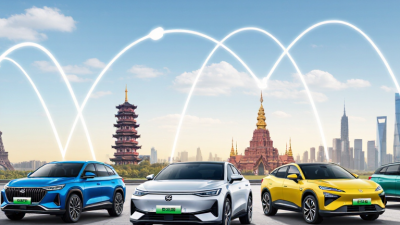
Electric Vehicles are moving from early-adopter garages into ordinary streets, delivery fleets, and family driveways. In 2023, global electric car sales exceeded 14 million, according to the International Energy Agency’s Global EV Outlook 2024. Nearly one in five new cars sold worldwide was electric. The market is expanding quickly. It is also uneven.
China remains the largest market, while Europe and the United States continue building charging networks and manufacturing capacity. BloombergNEF reported that lithium-ion battery pack prices fell to approximately $139 per kilowatt-hour in 2023. That decline supports more affordable models, although prices still vary sharply between countries. Import duties, electricity costs, road conditions, and charging access can change a vehicle’s real value.
Fatih Birol, Executive Director of the IEA, said, “Electric cars are becoming a global phenomenon.” This comment captures the opportunity, but not the whole difficulty. A compact city car may suit crowded streets in Bangkok or Paris. A long-range SUV may work better across rural Australia or North America. Battery size alone does not decide quality.
This guide examines ten strong Electric Vehicles for global buyers. It considers range, charging performance, safety, practicality, efficiency, and ownership conditions. Some rankings remain debatable. They should. A vehicle that excels in Norway may disappoint in a region with weak infrastructure. The best choice depends on the road outside your window, not only the number on a brochure.
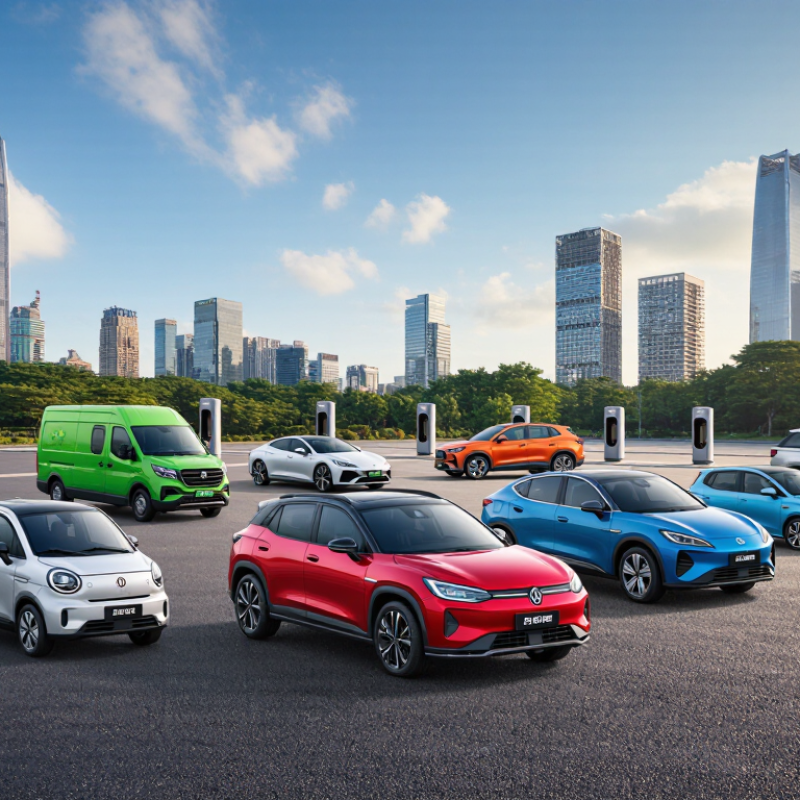
Choosing among the 10 best electric vehicles for global buyers requires more than comparing driving range. Evaluation should begin with real-world performance, measured across traffic, weather, road quality, and passenger loads. A vehicle tested on a mild coastal road may behave differently in a cold mountain region. Battery range is useful, but it is not a promise.
Independent testing should examine charging speed, energy use, braking, cabin safety, and battery protection. Reliable evaluations also check software stability and repair access. Local charging networks matter greatly. A vehicle with excellent specifications may be inconvenient where public chargers are limited. Ownership costs deserve attention too, including electricity prices, maintenance, insurance, and battery warranty terms. These details often reveal more than a showroom demonstration.
Tips: Compare results from several trusted testing organizations. Check charging standards in your country. Ask whether replacement parts are locally available. Test the vehicle with your usual passengers and luggage. Do not judge comfort from a short drive. I have found that quiet cabins can hide road noise at higher speeds, which some reviews overlook. Evaluation is never perfect. Weather, driving habits, and infrastructure keep changing. A careful buyer should record these uncertainties before making a final choice.
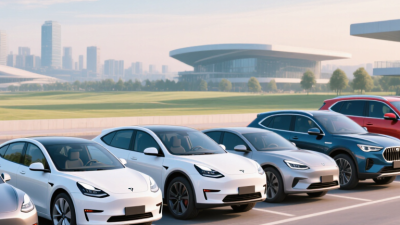
The best electric vehicle depends on local roads, weather, charging access, and household budgets. A compact hatchback suits crowded European streets and limited parking. A small crossover offers better clearance for uneven roads in parts of Asia and South America. A midsize sedan can reduce energy use on long highways. Larger utility vehicles help families, but their weight increases electricity consumption.
Buyers in cold northern regions should examine winter range, battery heating, and cabin efficiency. Range can fall sharply below freezing. In hot climates, strong thermal management protects battery performance and passenger comfort. Coastal buyers should inspect corrosion protection, especially where salt air is common. Drivers in high-altitude areas may also value dependable braking and hill performance.
Charging standards vary by country, so connector compatibility matters. Public charger coverage may look impressive on a map, yet rural gaps can change ownership costs. Home charging is usually more convenient, but apartment residents need written permission and a realistic installation quote. Service training, parts availability, battery warranty terms, and local taxes deserve equal attention. Official range figures are useful, but they are not promises. A test drive with air conditioning, luggage, and familiar roads reveals more. I would also compare insurance prices before choosing; many buyers overlook this expense. No vehicle fits every region perfectly.
The ten leading electric vehicles worldwide are not identical winners. They serve different roads, budgets, and charging realities. A strong global shortlist should include compact hatchbacks, family crossovers, executive sedans, and practical electric vans. Range is not everything. The International Energy Agency reported nearly 14 million electric-car sales in 2023, representing about 18% of global car sales. That growth shows wider acceptance, but buyers still need dependable charging and sensible efficiency.
I would assess these ten vehicles using range, real-world consumption, safety testing, software stability, warranty coverage, and repair access. A vehicle reaching 450 kilometres under laboratory conditions may deliver less in freezing weather or at motorway speeds. Winter exposes weaknesses. The Global EV Outlook 2024 expects electric-car sales to exceed 17 million in 2024, increasing pressure on manufacturers to improve durability and charging performance. BloombergNEF reported an average battery-pack price of 115 dollars per kilowatt-hour in 2024, down 20% from the previous year. That decline can support more affordable models, though replacement costs remain difficult to compare publicly. The International Council on Clean Transportation also finds that battery-electric cars generally produce lower lifetime greenhouse-gas emissions than combustion vehicles, even after manufacturing is included. Still, regional electricity mixes change the result. My ranking would therefore reward balanced ownership, not dramatic acceleration or oversized batteries. Some scores remain uncertain because long-term repair data is incomplete.
The 10 Best Electric Vehicles for Global Buyers should be judged beyond headline specifications. Range matters most on highways, in winter, and with a full cabin. A vehicle rated for 500 kilometers may deliver far less at 120 kilometers per hour. Independent testing is more useful than laboratory figures alone. Still, every test has limits.
Charging speed changes daily convenience. A compact vehicle with a 400-kilometer range may suit city drivers with home charging. A larger vehicle needs dependable rapid charging for long journeys. Look for a charging curve, not only a peak charging number. The curve shows how long the battery stays fast. A 15-minute stop can feel brief. A 45-minute wait feels different.
Price should include installation, insurance, energy, servicing, and battery warranty coverage. Public charging costs also vary widely between countries. Owners should check connector standards and local charging networks before buying. Practical details matter: rear-seat space, luggage capacity, ground clearance, and cold-weather heating. I would test the vehicle with actual bags and a child seat. That exposes awkward doors and poor storage quickly.
My ranking remains debatable because one excellent highway vehicle may be inconvenient in a crowded city. Published range can also mislead careful buyers.
Compare vehicles under the same testing method, then inspect independent road tests. A reliable choice balances usable range, predictable charging, manageable cost, and everyday comfort.
Choosing the right electric vehicle starts with your daily routine, not a glossy specification sheet. The International Energy Agency reported nearly 14 million electric cars were sold worldwide in 2023, representing about 18% of new car sales. This growth offers more choice, but it also creates confusion.
Measure your real driving pattern for one week. Record commuting distance, passengers, hills, luggage, and winter conditions. A smaller battery may suit short urban trips and reduce purchase costs. Longer journeys require greater range and reliable fast-charging access. The IEA reported more than 4 million public charging points globally in 2023, yet availability remains uneven between regions. Check local chargers before choosing a vehicle. A map that looks crowded can still fail during holiday travel.
Consider charging at home, electricity prices, insurance, tire costs, and battery warranty terms. Compare total ownership costs over five years, not only the showroom price.
Independent lifecycle studies from the International Council on Clean Transportation indicate that electric vehicles generally produce lower greenhouse-gas emissions than combustion vehicles, even after manufacturing emissions are included. Results vary with the electricity mix and vehicle size. Bigger is not automatically better.
Test the driving position and charging interface yourself. Small details matter. I would also leave a margin for cold weather and battery aging. My earlier range estimate once looked generous, but daily traffic proved otherwise. Official figures are useful, not magical. Choose the vehicle that fits your parking, budget, climate, and patience.