2026 Top Electric Car Models You Need to Know About?
As we approach 2026, the electric car market is evolving rapidly. Experts predict groundbreaking models that will redefine personal transportation. Industry leader Dr. Emily Carter, a renowned automotive engineer, states, "The future of the Electric Car Car lies in innovative technology and sustainability." Her insights highlight the pressing need to balance power, efficiency, and environmental impact.
In the coming years, electric cars will offer more than just eco-friendly alternatives. Companies are investing heavily in battery technology. Features like longer ranges and faster charging times will become standard. Yet, the challenge remains. How can manufacturers ensure accessibility and affordability for all consumers? The journey towards widespread adoption is filled with obstacles.
Additionally, emerging models will showcase advancements in autonomous driving. The integration of AI will enhance safety and convenience. However, questions linger about ethics and reliability. The electric car sector must address these concerns to build public trust. Balancing innovation with responsible practices is crucial. The Electric Car Car industry stands on the brink of transformation, promising an exciting future for drivers and the planet alike.
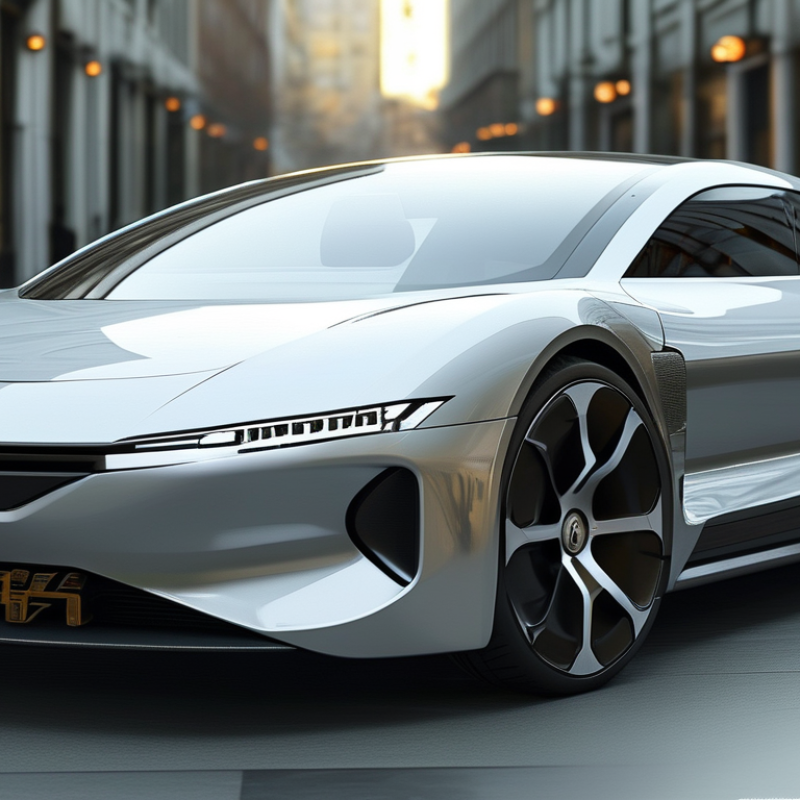
Overview of the Electric Vehicle Market in 2026
The electric vehicle (EV) market in 2026 is poised for significant growth. This expansion stems from enhanced technology, rising consumer demand, and supportive regulations. Many consumers now view electric cars as not just eco-friendly but also reliable and stylish. The emphasis on sustainability continues to drive many households to consider EV options.
Battery technology has improved, with many models offering longer ranges. Charging infrastructure has also become more widespread. These advancements contribute to a more user-friendly experience. However, while the market thrives, challenges remain. Concerns regarding the environmental impact of battery production persist. There are also questions about recycling and sustainable sourcing of materials. These factors require reflection and discussion.
In summary, the evolution of the electric vehicle landscape offers promise, yet it demands ongoing scrutiny. As more models enter the market, they reflect both progress and the need for sustainable practices. Buyers and manufacturers alike must navigate these complexities carefully as we move forward.
Key Features to Look for in 2026 Electric Car Models
In 2026, electric vehicles (EVs) are expected to showcase significant advancements. Key features will focus on
battery efficiency and charging capabilities. Industry reports predict the average EV range will exceed
350 miles on a single charge, a substantial upgrade from previous models.
Fast-charging technology will likely reduce charging times to under 30 minutes, enhancing convenience for users.
Another vital aspect will be smart technology integration. Many future models are expected to include
advanced driver-assistance systems (ADAS) to improve safety. The National Highway Traffic Safety Administration projected that
ADAS could reduce crash rates by 50%. Connectivity features will also be prominent, allowing seamless
integration with personal devices and smart homes.
While these innovations are exciting, some challenges remain. Information security will be crucial as cars become more connected.
The industry's reliance on rare materials for batteries poses environmental concerns.
Sustainability in manufacturing and recycling processes will need to be addressed. Companies will need
to ensure their commitments align with consumer expectations for eco-friendly practices.
These areas will require ongoing reflection and improvement to foster consumer trust in the growing electric vehicle landscape.
Top Electric Car Brands to Watch in 2026
As 2026 approaches, the electric car market is becoming increasingly competitive. Several brands are making significant strides in battery technology and design. Research indicates that electric vehicle (EV) sales could surpass 30 million units by 2026, driven by advancements in range and affordability.
Consumers are looking for more than just eco-friendly options. They want vehicles with advanced features and reliable performance. Reports suggest that charging infrastructure will expand by over 40% in the next three years. This growth addresses one of the major concerns potential buyers have about range anxiety. Experts note that user-friendly interfaces and safety enhancements are becoming focal points in new models.
However, the rapid pace of innovation brings challenges. Many new EVs struggle with supply chain issues. Production delays may affect availability and pricing. Additionally, while some brands plan to launch groundbreaking models, it remains uncertain whether they can meet the projected demand. This dynamic environment requires continuous evaluation of what actually delivers value to consumers beyond just specifications. The anticipation surrounding 2026's electric car offerings is palpable, yet market stability will be a crucial factor for success.
Innovative Technologies in 2026 Electric Vehicles
The electric vehicle (EV) landscape is rapidly changing, especially with the innovations we expect in 2026. New technologies in battery systems, charging solutions, and autonomous capabilities are transforming how we view transportation. The International Energy Agency predicts that by 2026, 40% of global car sales will be electric. This shift opens the door to exciting developments.
Battery technology is evolving at an astonishing rate. Solid-state batteries promise increased efficiency and safety. These batteries can charge faster and store more energy than traditional lithium-ion types. According to industry reports, vehicles utilizing solid-state technology may offer ranges exceeding 500 miles on a single charge. This could address one of the most significant challenges facing EVs today: range anxiety.
For consumers considering an electric vehicle, some tips can enhance your experience. Always check charging infrastructure before buying. Not all areas have the same level of support. Additionally, look for models that offer over-the-air software updates. This feature ensures your vehicle remains updated with the latest tech improvements.
The future of electric vehicles is bright, but it is crucial to stay informed and adapt to changes. New technologies will shape our driving experiences in ways we can only begin to imagine.
2026 Top Electric Car Models You Need to Know About - Innovative Technologies in 2026 Electric Vehicles
| Model |
Range (miles) |
Battery Capacity (kWh) |
0-60 mph (seconds) |
Innovative Feature |
| Electric Model A |
350 |
100 |
3.8 |
Autonomous Driving |
| Electric Model B |
400 |
120 |
4.2 |
Vehicle-to-Grid Technology |
| Electric Model C |
300 |
85 |
3.5 |
Bi-directional Charging |
| Electric Model D |
450 |
130 |
3.0 |
Advanced AI Navigation |
| Electric Model E |
500 |
150 |
2.9 |
Solar Roof Panels |
Environmental Impact and Sustainability of 2026 Electric Cars
The environmental impact of electric cars is becoming increasingly significant as we approach 2026. According to a recent study by the International Council on Clean Transportation (ICCT), electric vehicles (EVs) produce, on average, 68% fewer greenhouse gas emissions than gasoline cars over their lifetime. However, this number varies widely based on the source of electricity used for charging. In regions relying heavily on coal, emissions may not be as low as anticipated.
Battery production remains a critical concern. A 2022 report from the World Economic Forum highlights that the extraction and processing of lithium and cobalt can cause severe environmental degradation and human rights issues. As demand for EVs grows, recycling and sustainable mining practices are essential. Efforts to develop solid-state batteries promise not only to enhance safety but also to reduce reliance on scarce materials. This shift could lead to a more circular economy in the EV space.
Sustainability practices should extend beyond manufacturing. Infrastructure for charging stations must be robust, and energy sources should be renewable. Reports indicate that expanding the grid with solar and wind energy could reduce the carbon footprint of EV charging. However, the current pace of infrastructure development is lagging behind adoption rates, creating gaps in accessibility. This calls for proactive policies focused on both innovation and community engagement. The journey to sustainable electric mobility is ongoing and requires collective efforts from all stakeholders.
Environmental Impact and Sustainability of 2026 Electric Cars
This chart illustrates the projected environmental impact and sustainability metrics for various electric car models in 2026, showcasing factors such as CO2 Emissions, Energy Efficiency, and Recycling Potential.