
Leave Your Message

How to Choose the Best Car or Truck in 2026?

Choosing the best car or truck in 2026 starts with your real routine, not a glossy advertisement. Count your daily miles. Picture the narrow parking space at home, the icy road to work, or the tools you carry every week. Car Truck Car shoppers should compare vehicles against those details before chasing horsepower, screens, or a rugged-looking badge.

Automotive expert Alex Morgan offers this guiding principle: “Buy for the week you actually live, and test-drive for the hardest day you regularly face.” Use that idea to shape the search. A commuter may value quiet cabin comfort, clear visibility, and fuel costs. A truck buyer may need a specific payload or towing capacity; check the manufacturer’s ratings and the vehicle’s configuration. Numbers matter. So does seat comfort after an hour behind the wheel.

Compare the total cost, not just the monthly payment. Review insurance estimates, maintenance schedules, warranty terms, and available safety features. On a test drive, try the route you use most. Listen for road noise. Check rear-seat access and cargo space with your own bags or equipment. Then pause. A polished review cannot predict every repair, and one short drive has limits. I might still overlook a detail. That is worth admitting. Get written quotes, verify specifications, and compare at least two suitable models before deciding. The best choice is not always the newest or most powerful. It is the vehicle that fits your needs, budget, and ordinary Tuesday.
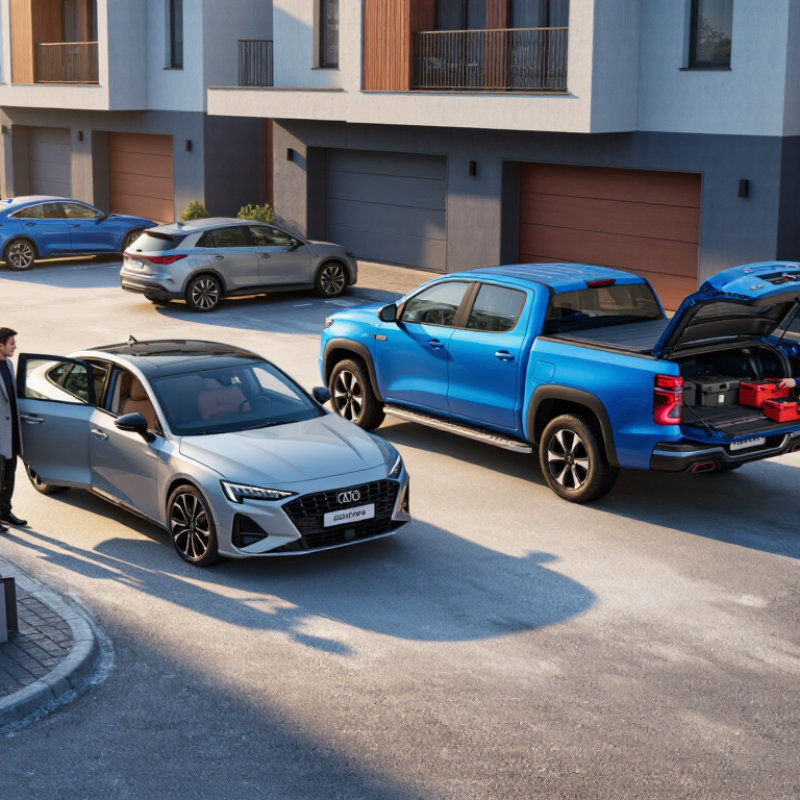
How to Choose the Best Car or Truck in 2026?

Define Your Transportation Needs and Budget

Before comparing cars and trucks for 2026, write down what a normal week actually looks like. Note your commute distance, parking space, passenger count, and the largest items you regularly carry. A child seat, folded stroller, or muddy work boots can change what “enough room” means. Be honest about occasional needs, too. A large vehicle may feel reassuring, but hauling bulky gear twice a year may not justify its ongoing cost.

Set a total budget, not just a monthly payment. Include insurance estimates, fuel or charging costs, routine maintenance, registration, and likely repairs. Check several insurance quotes before choosing a vehicle; premiums can vary more than expected. Leave room. An emergency fund matters when a tire or battery needs attention. Financing terms also deserve a close look: a lower payment spread over more years can cost more overall. Exact expenses depend on your location, driving habits, and vehicle condition.

Then compare a few options against your written needs. Bring the family member who will use the vehicle most, and test the rear seats, cargo opening, visibility, and parking fit. If possible, drive a route with the hills or rough pavement you encounter daily. It is easy to overvalue a polished dashboard during a short visit. I would give more weight to comfortable entry, clear sightlines, and predictable costs. Your first estimate may be wrong; revise it after checking real quotes and measuring your usual cargo.


Compare Car and Truck Types for Your Intended Use

Start with the job the vehicle must do most days. A sedan or hatchback is easier to park and can fit groceries, luggage, or a folded stroller. Measure your regular cargo before deciding; a large-looking trunk may have a narrow opening. That matters.

An SUV can make entry easier and provide flexible cargo space, but compare the actual floor height and rear-seat room. For gravel roads or frequent winter driving, check ground clearance and available traction systems rather than assuming every SUV is suited to rough conditions. An open-bed truck is useful for bulky, dirty loads, yet its exposed cargo and higher step-in height can be inconvenient for daily errands. Check the specific vehicle’s payload and towing ratings against your real load, including passengers and equipment.

Running costs deserve equal attention. The U.S. EPA’s 2024 Automotive Trends Report puts model-year 2023 new-vehicle fuel economy at an average 27.1 miles per gallon; individual vehicles vary widely. AAA’s 2024 Your Driving Costs study estimated $12,297 per year to own and operate a new vehicle driven 15,000 miles. Treat that as a benchmark, not a personal quote: insurance, mileage, and local fuel prices change the result. I would compare total costs over several years, though predicting repair bills is imperfect.

Evaluate 2026 Models, Safety, Reliability, and Efficiency

Choosing a 2026 car or truck starts with your real routine, not a showroom checklist. Track a typical week: commute miles, passengers, cargo, parking, and steep or icy roads. Then compare vehicles with similar space and capability. A truck may seem versatile, but an empty bed still uses fuel and can make tight parking harder. Small details matter.

Review safety equipment by trim, not just the model’s headline features. Compare crash-test results from reputable independent testing organizations, and check whether automatic emergency braking and blind-spot alerts come standard. Test these systems during a drive; alerts can feel intrusive or arrive later than expected. No rating replaces good visibility, a comfortable driving position, and seat belts that fit properly. Check recalls for the exact model year and configuration.

For reliability, examine multi-year repair data and warranty terms, while remembering that 2026 models have limited long-term histories. Ask about routine service costs, maintenance intervals, and local parts availability. Compare official efficiency estimates, then calculate likely costs using your annual mileage. Cold weather, towing, and short trips can change results. A spreadsheet helps, but it cannot capture every daily annoyance. I would not trust one review alone. Look closely.

Estimate Total Ownership Costs and Financing Options

When comparing cars and trucks for 2026, look beyond the window price. AAA’s 2024 Your Driving Costs report estimated average ownership costs of $12,297 per year for a new vehicle driven 15,000 miles annually. That figure includes depreciation, fuel, insurance, maintenance, and financing; your costs will differ. Build a monthly estimate using local insurance quotes, your commute, fuel economy, tires, and likely repairs. A truck used for frequent towing may burn more fuel and wear tires faster. Put those costs beside the loan payment, not in a separate mental column. Small omissions add up.

Financing changes the real price. Experian’s Q4 2024 State of the Automotive Finance Market report put average monthly payments at $742 for new vehicles and $520 for used ones. Those are market averages, not suitable budgets for every household. Compare the annual percentage rate, loan term, down payment, and total interest. For example, a hypothetical $35,000 loan at 7% costs about $693 monthly over 60 months, or about $598 over 72 months. The longer term lowers the payment but adds roughly $1,400 in interest. A spreadsheet can still miss an unexpected repair; leave room for one. Before negotiating, request financing estimates from more than one lender and compare the full repayment amount.

Inspect, Test-Drive, and Select the Best-Fit Vehicle

How to Choose the Best Car or Truck in 2026?

A good choice starts with your actual routine, not a glossy feature list. Measure your garage opening, check rear-seat space with a passenger, and load the stroller, tools, or weekly groceries you carry. Then pause. A vehicle can feel roomy in a showroom and cramped on a school run. The U.S. EPA’s 2024 Automotive Trends Report says average fuel economy for model-year 2023 light-duty vehicles reached 27.1 miles per gallon. Treat that as context, not a promise: your route, cargo, and driving style affect real-world consumption.

Inspect the vehicle in daylight. Look for uneven tire wear, chipped glass, damp carpets, and warning lights after startup. Check the controls before driving; adjusting mirrors while moving is a poor test. On the road, try a familiar route with a rough patch, a tight turn, and a highway merge. Notice seat support, blind spots, braking feel, and cabin noise. Bring a passenger if you often travel with one. Small annoyances count.

Compare safety ratings using the Insurance Institute for Highway Safety’s current vehicle evaluations, including its crashworthiness tests. Ratings can change as test standards evolve, so check the exact model year and configuration. Ask for a written out-the-door price and review the warranty terms before deciding. I would not choose from one drive alone; repeating the route can expose a detail you missed. A little inconvenient, but useful.

How to Choose the Best Car or Truck in 2026? — Inspect, Test-Drive, and Select the Best-Fit Vehicle

Use this weighted checklist to compare vehicles against your needs. Score each item from 1 (poor fit) to 5 (excellent fit), multiply by its weight, and compare the totals. Weights add up to 100.

Evaluation Area Weight What to Inspect or Test What a Good Fit Looks Like
Everyday use and vehicle size 15 points List regular passengers, typical cargo, parking limits, and the roads you use most. Check the vehicle’s exterior dimensions and turning circle in its specifications. It fits your usual passenger and cargo needs without making parking, narrow streets, or routine errands unnecessarily difficult.
Passenger comfort and access 12 points Sit in every seat you expect to use. Check headroom, legroom, seat adjustment, door openings, child-seat access, and ease of entry and exit. Regular occupants can sit comfortably, and passengers or child seats can be accommodated without awkward access or obstructed seat-belt use.
Cargo and towing needs 10 points Measure or bring representative luggage, equipment, or work items. Confirm cargo volume and payload or towing limits in the owner’s manual or official specifications. The vehicle accommodates your real loads within its stated limits. Do not assume that a published maximum towing figure applies to every configuration.
Visibility and controls 8 points Adjust the seat and mirrors, check blind spots, test the rear-view camera and other driver-assistance features, and locate commonly used controls. You can see and reach what you need, understand the controls, and use assistance features without relying on them as a substitute for careful driving.
Mechanical and exterior inspection 12 points For a used vehicle, check for uneven tire wear, fluid leaks, warning lights, damaged glass, inconsistent body gaps, and signs of water intrusion. Review maintenance and title records. No unexplained warning lights or obvious damage are present, and the vehicle’s history and condition are consistent with the seller’s description.
Ride, handling, and braking 12 points On a safe route, test smooth acceleration, ordinary turns, a range of road surfaces, and controlled braking. Listen for unusual noises and note vibration or pulling. The vehicle feels predictable and stable for your driving, with no unexplained noise, vibration, pulling, or abnormal braking response.
Powertrain and transmission behavior 8 points Test starts, stops, low-speed driving, and highway merging where legal and safe. Notice hesitation, harsh shifts, excessive engine noise, or inconsistent response. Power delivery suits your driving conditions and feels smooth and consistent during normal acceleration and gear changes.
Efficiency and energy access 8 points Compare official fuel-economy or electric-range estimates for the exact configuration. Consider your commute, climate, charging access, fuel availability, and likely driving conditions. The vehicle’s expected energy use and refueling or charging routine are practical for your location and typical travel.
Safety equipment and fit 7 points Check the exact vehicle’s safety equipment and crash-test information from recognized safety agencies. Confirm that seat belts fit occupants correctly and child restraints can be installed as directed. The specific vehicle has the safety features you want, and occupants can use its restraints and seating positions correctly.
Ownership cost and service 8 points Estimate purchase price, insurance, fuel or electricity, routine maintenance, repairs, registration, and financing. Check service availability and warranty coverage for the exact vehicle. The total expected cost fits your budget, and qualified service is reasonably accessible. Compare insurance quotes before committing.

Before you select: Take a test drive on roads similar to those you use regularly. For a used vehicle, arrange an independent pre-purchase inspection by a qualified mechanic and verify the vehicle identification number, ownership documents, and history. Confirm specifications and safety equipment for the exact vehicle and configuration.