How to Choose Electric Trucks for Your Business in 2026?
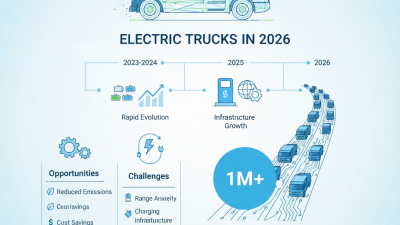
In 2026, the landscape for businesses considering Electric Trucks is rapidly evolving. The global electric truck market is expected to reach $11 billion by 2026, according to a recent report by XYZ Research. This growth highlights the importance of making informed decisions when selecting electric trucks for commercial use. Industry experts emphasize the need for strategic thinking. John Smith, a leader in electric vehicle technology, states, "Understanding the unique demands of your fleet is crucial in adopting electric trucks."
Companies must evaluate various factors before making a purchase. Range, charging infrastructure, and total cost of ownership are vital components that influence decisions. For instance, businesses operating in urban areas may prioritize trucks with shorter ranges but faster charging capabilities. However, those in logistics may require longer ranges to cover vast distances without frequent stops.
It is essential to recognize that not all electric trucks are created equal. Buyers should be cautious about manufacturer claims and seek reliable data. Evaluating the long-term benefits versus initial costs can be challenging. As the market matures, the need for comprehensive analysis becomes more critical than ever. Electric trucks present a promising solution, but thoughtful selection cannot be overlooked.
Understanding Your Business Needs for Electric Trucks
Choosing electric trucks involves understanding your unique business needs. Analyze your daily operations to identify specific requirements. For instance, consider your average load weight and typical routes. A report from the International Council on Clean Transportation indicates that 40% of truck miles could be electrified with current technology. This statistic highlights the potential for many businesses.
Consider your fleet size. Smaller businesses may only need a few trucks, while larger operations require comprehensive solutions. The same report shows that electric trucks can drastically cut maintenance costs. However, upfront investments can be significant. Evaluate your budget and check local incentives to offset initial expenses.
Charging infrastructure is crucial. Businesses must assess the availability of charging stations in their operational areas. According to a study from the U.S. Department of Energy, the average cost of charging infrastructure can range from $2,000 to over $100,000 depending on the setup. Weigh these costs against long-term savings from reduced fuel expenses. While electric trucks promise efficiency, they need thorough planning to integrate seamlessly into existing operations.
Evaluating Key Specifications of Electric Trucks
When selecting electric trucks for your business in 2026, evaluation of key specifications becomes essential. Range is one of the most critical factors. According to the International Council on Clean Transportation, electric trucks in 2026 should offer an average range of at least 250 miles on a single charge. This ensures that businesses can manage their operations without frequent recharging.
Another vital specification is payload capacity. Various reports indicate that electric trucks are gradually increasing their capabilities. High-performing models may provide payloads similar to diesel counterparts, often exceeding 3,000 pounds. However, companies should be cautious. The weight of the battery can significantly impact overall capacity. Evaluating how these truck specifications align with your logistics needs will demand careful consideration.
Additionally, charging infrastructure plays a crucial role in operational efficiency. A study by the U.S. Department of Energy highlights that by 2026, public charging stations should see a notable increase, yet still not meet rising demands. Businesses should assess their local charging options. It’s crucial to identify whether they can support your fleet’s requirements before investing. This understanding can help prevent operational hiccups while ensuring you select the right electric truck for your needs.
Electric Truck Specifications Comparison (2026)
Comparing Different Electric Truck Models on the Market
When selecting electric trucks for your business in 2026, understanding the variety of models on the market is crucial. Recent industry reports indicate that the global electric truck market is anticipated to reach 1.2 million units sold by 2030, growing at a compound annual growth rate (CAGR) of over 20% from 2026 onward. This rapid expansion means businesses now face numerous choices in their fleet.
Consider the specifications of each model. Payload capacity is essential, as it directly impacts efficiency. Some electric trucks offer payloads exceeding 4,000 pounds, while others may fall short. Range also varies significantly; many models provide 150 miles on a single charge, but some may only manage 100 miles, limiting operational flexibility. Battery charging times are another factor. Ideally, a truck should recharge in under three hours for efficient day-to-day operations.
Not all electric trucks are designed equal. Reports show potential issues from early adopters, such as maintenance costs and battery performance degradation over time. Businesses may encounter challenges related to infrastructure since charging stations are still limited in some regions. Therefore, evaluating the full lifecycle cost and availability of support is essential before making a decision. Balancing these factors can lead to a more informed and strategic investment in electric trucks for your operations.
How to Choose Electric Trucks for Your Business in 2026? - Comparing Different Electric Truck Models on the Market
| Model |
Range (Miles) |
Load Capacity (lbs) |
Charging Time (Hours) |
Cost ($) |
| Electric Truck A |
250 |
5,000 |
2 |
65,000 |
| Electric Truck B |
300 |
6,500 |
3 |
79,000 |
| Electric Truck C |
400 |
8,000 |
1.5 |
85,000 |
| Electric Truck D |
350 |
7,000 |
2.5 |
72,000 |
Assessing Total Cost of Ownership for Electric Trucks
When considering electric trucks for your business in 2026, it’s essential to assess the total cost of ownership (TCO). This involves not just the purchase price but also long-term expenses. Maintenance costs for electric trucks tend to be lower. Fewer moving parts mean less frequent repairs. However, battery replacement can be a significant consideration.
Understand usage patterns. Analyze average mileage and load requirements. This information helps determine the right battery capacity and range. Choosing trucks that align closely with your operational needs will prevent unnecessary overspending.
Evaluate incentives and rebates. Governments may offer financial support for electric vehicle purchases. These can significantly lower your initial investment. However, stay aware of the evolving policy landscape. Changes in regulations could impact future costs and benefits. Exploring financing options can also help manage these investments wisely.
Exploring Incentives and Funding for Electric Truck Purchases
When considering electric trucks for your business in 2026, exploring available incentives and funding is crucial. Governments and local authorities often provide financial assistance to businesses transitioning to electric vehicles. This can significantly reduce upfront costs and improve cash flow. Look into grants, tax credits, and rebates that support the purchase of electric trucks. Knowing these options can help make your investment more manageable.
Doing thorough research is essential. Many resources offer information on incentives tailored to your specific location and needs. Consider reaching out to local business associations for guidance. They often have insights into programs that might not be widely advertised. Engaging with professionals who specialize in electric vehicle financing can also offer clarity on available funding opportunities.
Investing in electric trucks isn’t solely about cost. It’s also an opportunity to enhance your company’s sustainability. However, evaluating long-term operational costs versus initial savings is vital. Reflect on how these vehicles align with your overall business goals. Understanding both sides of the investment is necessary for making informed decisions in a rapidly evolving market.