Essential Details Of Cars You Need To Know For Buying?
When considering the purchase of a car, understanding the essential details of cars is crucial. A recent report from J.D. Power highlighted that 72% of car buyers regret their choice primarily due to insufficient information. This statistic emphasizes the importance of being well-informed. You need to consider various components, such as safety ratings, fuel efficiency, and resale value. Each detail contributes to the overall experience of ownership.
Moreover, the National Highway Traffic Safety Administration (NHTSA) states that vehicle safety ratings can vary significantly between models. The difference can mean the outcome of a dangerous situation. It is essential to research reputable reports and compare vehicles before making a decision. Many buyers overlook these details, leading to potentially unsafe choices.
Several factors can impact your long-term satisfaction. Choosing a model that fits your budget while addressing your needs may seem straightforward, yet many overlook features like warranty coverage or maintenance costs. Reflecting on these aspects can prevent future regrets. The more details you gather about cars, the better your purchase will be.
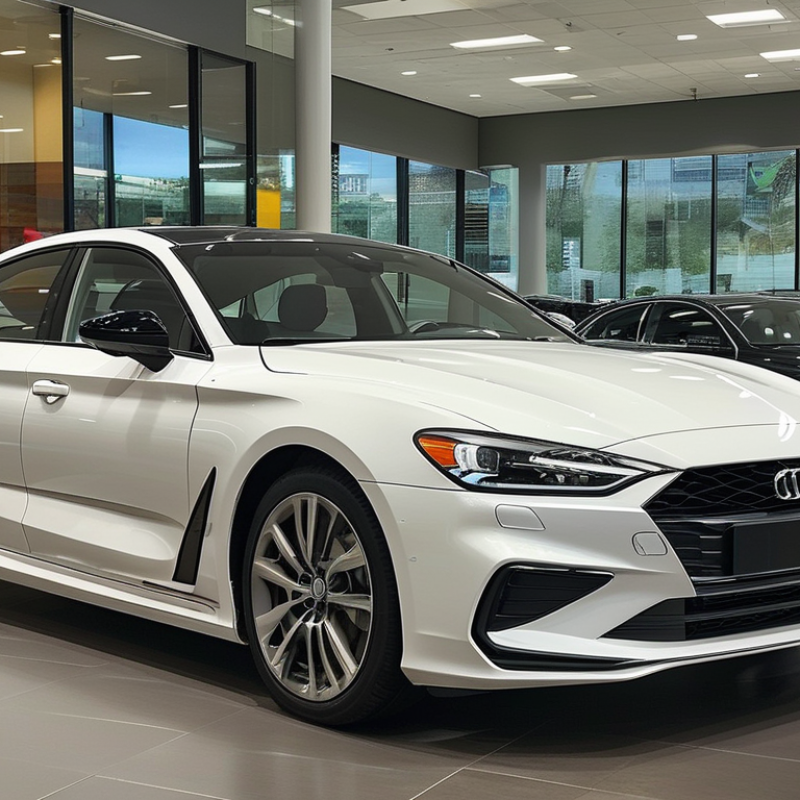
Key Features to Consider When Buying a Car
When buying a car, several key features warrant serious consideration. Safety should be at the top of your list. Look for cars that come equipped with advanced safety technologies like automatic emergency braking or lane departure warning. These features significantly reduce the risk of accidents. Additionally, consider how many airbags the vehicle has and their placements.
Fuel efficiency is another vital aspect. Knowing the miles per gallon can help you save money in the long run. Many buyers overlook this detail, focusing instead on luxury or performance. It's worth researching the car's fuel ratings.
Interior comfort plays a crucial role in your driving experience. Check the material of the seats and the ergonomics of the controls. If you often travel long distances, these factors can greatly affect your comfort. Think critically about trunk space too. A spacious trunk can make travel easier, but many models fall short here. So, reflect on your specific needs, and choose what fits best for your lifestyle.
Understanding Different Types of Cars: Pros and Cons
When considering different types of cars, it's crucial to weigh their pros and cons. Sedans, for instance, are popular for their comfort and fuel efficiency. They typically offer a smooth ride and ample trunk space. However, they may lack the off-road capability that some buyers desire. If you need versatility, a sedan might fall short.
SUVs and trucks, on the other hand, excel in spaciousness and towing capacity. They are ideal for families or outdoor enthusiasts. Yet, their larger size often results in lower fuel efficiency and can make parking challenging. Furthermore, their higher initial costs can be a downside for budget-conscious buyers.
Electric vehicles (EVs) present an eco-friendly option with low running costs. They provide impressive acceleration and require less maintenance. Still, the range anxiety from limited charging infrastructure is a valid concern for many drivers. Buyers must reflect on how their driving habits align with these different vehicle types. The right choice depends on personal needs, budget constraints, and lifestyle considerations.
Essential Details Of Cars You Need To Know For Buying
| Car Type |
Pros |
Cons |
Typical Price Range |
| Sedan |
Comfortable, good fuel efficiency, spacious |
Less sporty, limited cargo space |
$20,000 - $30,000 |
| SUV |
High seating position, lots of cargo space, off-road capability |
Lower fuel efficiency, larger size can be harder to park |
$25,000 - $50,000 |
| Hatchback |
Compact size, versatile cargo area, great fuel economy |
Less space than larger cars, perception of lower status |
$15,000 - $25,000 |
| Coupe |
Sporty appearance, good performance |
Limited rear seat space, less practical |
$25,000 - $60,000 |
| Convertible |
Open-air driving experience, stylish |
Higher price, less practical for everyday use |
$30,000 - $70,000 |
Evaluating Car Performance Metrics and Their Importance
When considering a car purchase, understanding performance metrics is crucial. Metrics like horsepower, torque, and fuel efficiency directly impact your driving experience. Horsepower measures power output, while torque influences acceleration. A car with high horsepower can offer thrilling speed. However, don’t overlook torque; it enhances practicality for daily driving.
Tips: Look for a balance between horsepower and torque. This will ensure you have sufficient power when needed, especially during overtaking.
Fuel efficiency is another critical metric. It reflects how far you can drive on a gallon of fuel. A highly efficient car saves money in the long run. However, be cautious; flashy performance specs can sometimes come at the cost of efficiency. Assess your needs. For city driving, prioritize smaller engines, as they tend to consume less fuel.
When evaluating performance metrics, it’s easy to get caught up in numbers. But remember, a car's real-world performance might differ. Test drives can reveal nuances that stats can't show. Always prioritize personal experience over theoretical figures.
Car Performance Metrics Overview
The Role of Fuel Efficiency in Your Vehicle Choice
When considering a vehicle purchase, fuel efficiency should be a primary concern. It impacts your budget and your environmental footprint. A car with good mileage can save you a significant amount on gas over time. Driving a fuel-efficient vehicle means fewer stops at the pump. Ultimately, it allows you to enjoy longer trips without worrying about refueling too often.
However, not all fuel-efficient cars are created equal. Some models may offer impressive mileage but compromise on performance. You might find that a smaller engine has less power than you expect. Additionally, hybrid vehicles can be a mixed bag. While they promise better fuel efficiency, their maintenance costs can sometimes be higher. Regularly monitoring your vehicle’s performance is crucial in making an informed choice.
Reflecting on your needs is key. Consider your daily commute and driving habits. A larger family vehicle might require more fuel, impacting overall efficiency. Conversely, if you rarely travel long distances, a compact, fuel-efficient car could be the right fit. Researching various options can lead you to the best decision. Always stay updated on new trends in fuel technology. It’s essential to understand the real-world implications of your vehicle choice.
Essential Safety Features to Look for in a Car
When buying a car, safety features should be a top priority. Look for cars equipped with advanced airbags.
These airbags can save lives in case of a collision. Side airbags provide extra protection for passengers.
A thorough understanding of these systems is crucial.
Another essential feature is the anti-lock braking system (ABS). ABS prevents the wheels from locking up during hard braking.
This helps maintain steering control. Cars with stability control also enhance safety. This feature reduces the risk of skidding,
especially in poor weather conditions.
Beyond these, consider the importance of having a rearview camera. It aids visibility when reversing, reducing blind spots.
Lane departure warning systems provide crucial alerts. They help drivers stay in their lanes. However, it's vital to remember
that no feature can guarantee safety. Regular maintenance is equally essential. Reflect on your driving habits and the environment.
Safety features are only effective if used responsibly.