Leave Your Message

10 Tips for Buying Cars With Electric Power

Buying Cars With Electric power requires more than comparing advertised range and glossy dashboard screens. The IEA’s Global EV Outlook 2025 reported that global electric car sales exceeded 17 million in 2024, representing more than 20% of new-car sales. That growth expands consumer choice, but it also creates confusing differences in battery chemistry, charging speed, software support, and resale value. The right vehicle depends on your daily route, climate, parking space, and access to reliable charging.

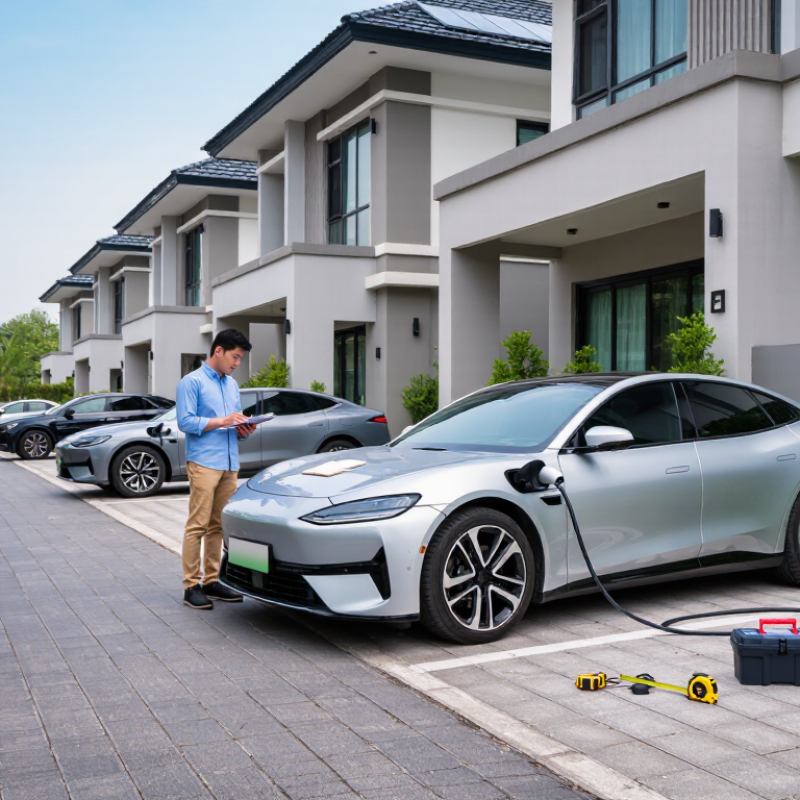
Real ownership begins at home. Measure your parking area, check electrical capacity, and confirm whether overnight charging is practical. A 250-mile range may feel generous until winter temperatures, highway speeds, passengers, and heating reduce it. The U.S. Department of Energy notes that electric vehicles generally need less routine maintenance because they use fewer moving parts. However, tires, brakes, battery conditioning, and repair access still deserve careful attention. Small details matter.

This guide presents 10 Tips for Buying Cars With Electric power, supported by evidence from the IEA, the U.S. Department of Energy, and BloombergNEF’s Electric Vehicle Outlook. BloombergNEF reported a significant decline in average battery-pack prices during 2024, yet lower technology costs do not guarantee lower ownership costs for every driver. Public charging fees, insurance, financing, and depreciation can change the calculation. No report predicts your driveway perfectly. A checklist cannot remove every uncertainty, but it can expose weak assumptions before you sign a purchase agreement. Look beyond the screen. Test the real routine.
10 Tips for Buying Cars With Electric Power

Define Your Electric Car Needs and Driving Habits

Before comparing electric cars, define how you actually drive. The International Energy Agency reported nearly 14 million electric car sales worldwide in 2023, representing about 18% of new car sales. That growth is impressive, but popularity does not determine personal suitability. Record your normal weekday distance, weekend trips, passenger load, and parking location for two weeks. Note the details.

If your commute is 35 miles, a model with a 250-mile rated range may seem excessive. However, winter heating, heavy traffic, hills, and high speeds can reduce usable range. The U.S. Department of Energy notes that cold conditions can reduce electric vehicle range by up to 40%. Treat the advertised figure as a laboratory reference, not a promise. I once underestimated charging time because I counted only driving minutes, not waiting, payment, and cable handling.

Your home routine matters just as much. Check whether overnight parking has a suitable electrical outlet and whether installation requires approval. The IEA’s Global EV Outlook highlights rapid expansion of public charging, yet access remains uneven across regions. Drivers without home charging should map reliable stations near work, shopping areas, and major routes. Test the car with your usual bags and passengers. Sit in the rear seat. Try the charging cable yourself. These small checks may reveal a poor fit before your contract does.
Compare Battery Range, Charging Options, and Energy Use

10 Tips for Buying Cars With Electric Power

Compare usable battery range, not only the advertised maximum. During a test drive, note the starting charge and predicted range. Then drive through traffic, hills, and faster roads. My experience shows that heating, air conditioning, and winter temperatures can reduce range noticeably. Cold weather matters. Leave a practical reserve for unexpected delays, especially if your daily route includes steep roads or limited parking.

Charging options deserve equal attention. A home charger may refill the car overnight, but installation depends on wiring, parking access, and local approval. Ask an electrician to check the property before purchase. Public charging can be faster, yet prices, payment systems, and reliability vary. Check chargers near home, work, and frequent destinations. A short cable may also become frustrating when the charging point is poorly positioned.

Energy use is easier to compare through kilowatt-hours per distance than through range alone. A heavier vehicle may have a larger battery but still consume more electricity. Review independent efficiency tests and inspect the dashboard after several drives. Keep tire pressure correct, remove unnecessary cargo, and use scheduled charging when practical. Do not assume the most expensive option is automatically efficient. I once focused too heavily on range and overlooked charging time, which changed the ownership experience. Measure real use.

Evaluate Vehicle Performance, Safety, and Essential Features

Buying a car with electric power requires more than checking its advertised range.
During a test drive, observe acceleration, steering response, braking feel, and cabin noise. A smooth start matters in traffic. Test it on hills, narrow streets, and uneven pavement if possible.

Safety deserves careful attention. Check independent crash-test results, driver-assistance functions, visibility, and emergency braking behavior. Ask whether safety features operate in rain, darkness, or heavy traffic. Review the vehicle manual, not only the sales display.

I once focused too much on range and overlooked the rear visibility. That was a careless mistake. A clear reversing camera and practical sensors can prevent daily stress.

Essential features should match your routine. Inspect charging compatibility, cable storage, seat comfort, climate control, cargo space, and software controls. Measure the trunk with your usual bags or equipment. Check charging times at home and on common routes.

A larger battery may appear attractive, but extra weight can affect handling and efficiency. Ask an independent technician to inspect the battery condition and service records. Do not rely entirely on a polished screen. Some useful details remain hidden in ordinary switches.

Calculate Purchase Costs, Incentives, Insurance, and Maintenance

Buying a car with electric power requires more than comparing showroom prices. I once underestimated home charging installation and added nearly $1,200 to my budget. Create a full purchase worksheet: vehicle price, registration, charger installation, electricity, financing, and expected resale value. Include taxes and delivery fees. Small costs grow quickly.

Tip: Separate guaranteed savings from estimates. Check current government incentives through official websites, then confirm eligibility with the seller or a qualified tax professional. Incentives may depend on income, vehicle price, battery origin, or registration location. Never treat a promised rebate as guaranteed cash. My first calculation looked attractive, but it ignored timing and paperwork.

Insurance can differ because repair parts, battery systems, and safety technology affect premiums. Request quotes using the exact vehicle specification before signing anything. Maintenance is usually simpler, not free. Budget for tires, brake inspection, cabin filters, software-related service, and battery cooling checks. Ask for a written maintenance schedule and warranty terms. Also compare charging costs with your local electricity rate, not a national average. A public charger may cost more than home charging, especially during busy hours. Keep a small emergency reserve. Real ownership is rarely as neat as an online calculator suggests.

Inspect Battery Health, Warranty Coverage, and Ownership Support

Tip 1: Inspect the battery before discussing price. Ask for a recent health report, not only the dashboard range. A test drive should begin with a cool battery and include city streets, hills, and highway speeds. Watch for sudden range drops, warning messages, or unusual charging delays. I once trusted a neat battery display too quickly. That was a mistake. Temperature and driving style can hide problems.

Tip 2: Read the warranty line by line. Check the battery’s coverage period, mileage limit, capacity guarantee, and repair conditions. Some policies cover complete failure but exclude gradual capacity loss. Confirm whether coverage transfers to the next owner. Save every inspection record and charging receipt. They may matter later. Ask who pays for diagnostic testing and towing. Small exclusions can become expensive surprises.

Tip 3: Measure ownership support before buying. Call the service department with a practical question about battery faults. Notice how clearly and quickly they respond. Ask about technician training, replacement-part availability, software updates, roadside assistance, and temporary transportation. A polished sales conversation proves little. Reliable support should exist after the payment clears. I would also check independent repair options nearby, even if the vehicle seems trouble-free. Availability can change, and my own assumptions have been wrong before.